Occlusal Dysfunction (Bite Problems) in Cincinnati, OH
━━
An unhealthy bite can contribute to worn teeth, fractures, jaw discomfort, and repeated dental problems. Understanding how your teeth function together helps create more lasting treatment.
What Is Occlusal Dysfunction?
Your bite is much more than simply the way your teeth come together. It affects how your teeth, jaw muscles, and supporting structures function every time you chew, swallow, or close your mouth.
Occlusal dysfunction refers to problems with the way the teeth contact and function together. Some dentists also use the term occlusal disease to describe the damage that can occur when excessive or unbalanced bite forces affect the teeth and supporting structures over time.
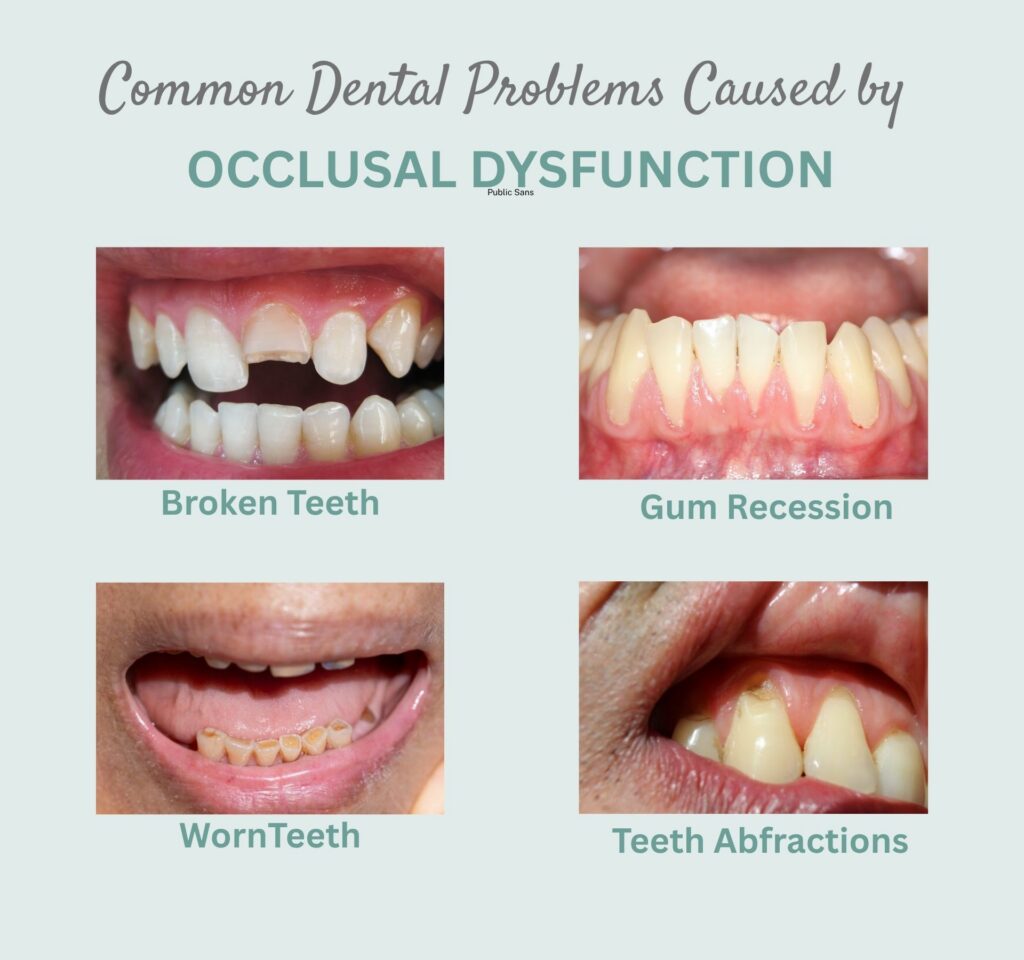
When these forces exceed what the teeth and surrounding tissues can comfortably tolerate, they may contribute to a variety of dental problems, including worn teeth, cracked teeth, broken restorations, gum recession, and even tooth loss.
At Total Dentistry, Dr. Christopher Omeltschenko believes that understanding your bite is an important part of achieving long-term oral health. Rather than treating damaged teeth one at a time, he evaluates the health of your gums, teeth, and bite together to identify underlying factors that may be contributing to ongoing dental problems.
Why Does Occlusal Dysfunction Develop?
Occlusal dysfunction rarely develops because of a single problem.
Instead, it usually results from a combination of factors such as:
- Teeth grinding (bruxism)
- Jaw clenching
- Missing teeth
- Worn teeth
- Changes in the bite over time
- Broken or shifting teeth
- Previous dental treatment
- Natural changes that occur with aging
Not everyone with these conditions develops occlusal dysfunction, but together they can alter how biting forces are distributed throughout the mouth.
What Problems Can Occlusal Dysfunction Cause?
Excessive or uneven bite forces may contribute to:
- Worn teeth
- Cracked teeth
- Broken teeth
- Repeatedly broken fillings
- Fractured crowns
- Gum recession
- Loose teeth
- Pain when biting
- Jaw muscle fatigue
- Collapsed bite
- Repeated dental treatment on the same teeth
It’s important to understand that these problems may have more than one cause. Occlusal dysfunction is one possible contributing factor—not the only one.
Signs and Symptoms
Some patients experience obvious symptoms, while others are unaware of any problem until damage is discovered during a routine examination.
Possible signs include:
- Frequent broken teeth or restorations
- Teeth that continue to wear down
- Morning jaw soreness
- Clenching or grinding
- Pain when chewing
- Teeth that feel sensitive without obvious decay
- Loose teeth
- Changes in the way your bite feels
- Teeth that no longer seem to fit together comfortably
How Is Occlusal Dysfunction Diagnosed?
Because every patient’s bite is different, diagnosis begins with a comprehensive evaluation.
Depending on your situation, Dr. Omeltschenko may evaluate:
- Tooth wear patterns
- Existing restorations
- Cracked teeth
- Missing teeth
- Jaw movement
- Muscle tenderness
- Gum health
- Bite alignment
- Digital X-rays
- Clinical photographs
- Computerized T-Scan® bite analysis
Unlike traditional bite paper, T-Scan technology measures the timing and relative force of tooth contacts during normal biting and chewing, providing information that helps us better understand how your bite is functioning.
What Is T-Scan® Bite Analysis?
Traditional bite paper shows where your teeth touch. T-Scan® goes a step further by measuring how your teeth function together.
It provides information about:
- Which teeth contact first
- The relative force placed on different teeth
- How your bite changes as your jaw moves
- Whether excessive force is concentrated in one area
This computerized analysis helps Dr. Omeltschenko evaluate your bite with greater precision and determine whether excessive biting forces may be contributing to your dental problems.
What Is Disclusion Time Reduction (DTR) Therapy?
For appropriately selected patients, computerized bite analysis may indicate that Disclusion Time Reduction (DTR) Therapy could be beneficial.
DTR is a highly specialized treatment that uses information gathered from T-Scan technology to make carefully planned, conservative bite adjustments designed to reduce excessive biting forces during jaw movement.
Not every patient is a candidate for DTR Therapy, and it is recommended only when a comprehensive evaluation indicates it may improve long-term function and reduce damaging forces.
Possible Treatment Options
Treatment depends on the specific problems affecting your bite.
Possible treatment options include:
- Computerized Bite Analysis – A detailed evaluation using T-Scan technology helps identify excessive biting forces that may not be visible during a traditional examination.
- Disclusion Time Reduction (DTR) Therapy – For appropriately selected patients, carefully planned bite adjustments may help reduce excessive forces contributing to ongoing dental problems.
- Custom Nightguard – A professionally fabricated nightguard helps protect teeth and restorations from grinding and clenching while you sleep.
- Restorative Dentistry – Crowns, fillings, or other restorative treatment may be recommended to repair teeth that have already been damaged.
- Replacing Missing Teeth – Dental implants or other tooth replacement options may improve bite stability and reduce excessive stress on the remaining teeth.
Every treatment plan is individualized based on your oral health, symptoms, and long-term goals.
Looking Beyond Individual Teeth
This philosophy is one of the foundations of Total Oral Health Dentistry.
Rather than asking only, “How do we repair this tooth?” we also ask, “Why did this happen?”
Sometimes the answer is decay.
Sometimes it’s gum disease.
Sometimes excessive bite forces are contributing to the problem.
Understanding those underlying factors allows us to create treatment plans that are designed not only to repair today’s damage, but also to reduce the likelihood of future problems.
Frequently Asked Questions
Continue Exploring
━━━━━
What Is a Collapsed Bite? →
Learn what a collapsed bite is, what causes it, and how it can affect your oral health.
Why Are My Teeth Wearing Down? →
Discover the most common causes of tooth wear and how early treatment can help prevent further damage.
Teeth Grinding vs. Jaw Clenching →
Understand the differences between teeth grinding and jaw clenching and how each affects your teeth and jaw.
Why Do My Fillings Keep Breaking? →
Learn why fillings repeatedly fail and how addressing the underlying cause can help prevent future damage.
Can Bite Problems Affect My Gums? →
Explore how bite problems can contribute to gum recession and other long-term dental concerns.
Ready to Get Started?
━━
If you’ve experienced repeated broken teeth, cracked dental work, excessive tooth wear, or changes in the way your teeth fit together, the problem may involve more than the affected tooth itself.
Schedule an examination with Dr. Christopher Omeltschenko. He’ll evaluate the health of your gums, teeth, and bite, determine whether excessive bite forces may be contributing to your dental problems, and recommend treatment designed to provide healthier, longer-lasting results.