Single Tooth Implants in Cincinnati, OH
━━
Replace a Missing Tooth Without Compromising Neighboring Teeth
━━
Losing a tooth affects more than your appearance.
Even a single missing tooth can impact chewing ability, bite stability, jawbone health, and long-term oral function. Over time, neighboring teeth may begin to shift, creating additional dental problems that can become more difficult to treat.
A dental implant is often the most complete way to replace a missing tooth because it replaces both the visible tooth and the root beneath it.
At Total Dentistry, Dr. Christopher Omeltschenko provides comprehensive implant treatment designed to restore function, preserve bone, and help patients maintain long-term oral health.
What Is a Single Tooth Implant?
━━
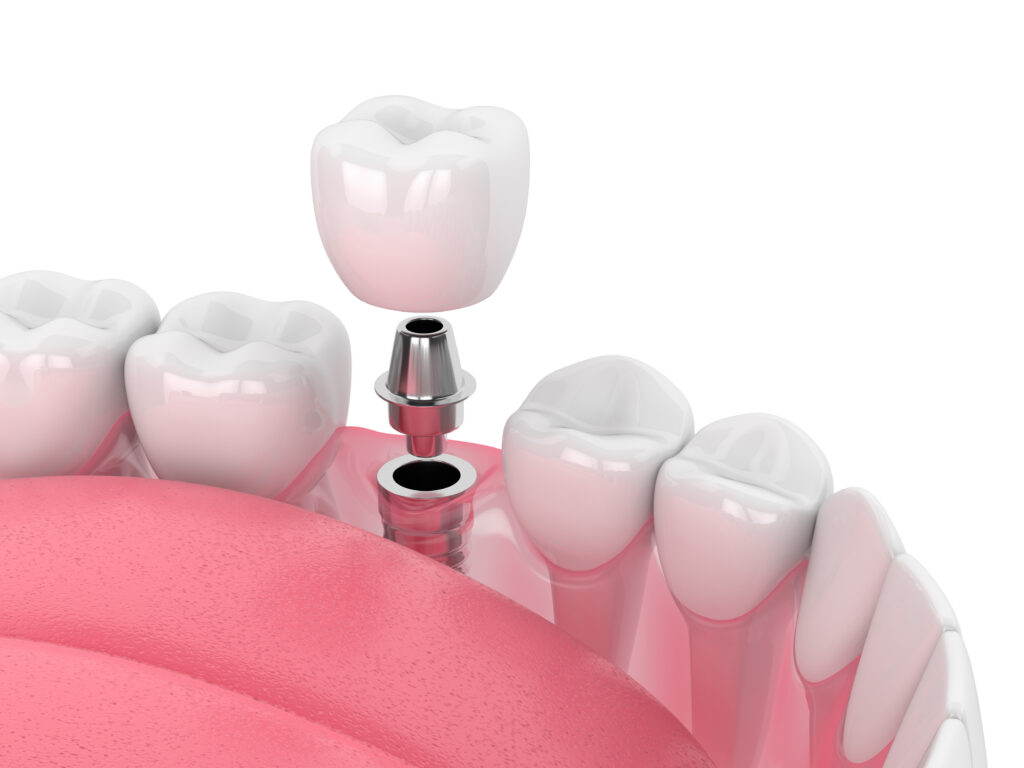
Implant Post
A titanium post placed into the jawbone that functions like a tooth root.
Abutment
A connector that attaches the crown to the implant.
Crown
A custom-made ceramic tooth designed to match your natural smile.
Together, these components create a replacement tooth that looks, feels, and functions much like a natural tooth.
Why Replace Missing Teeth?
━━
Missing Teeth Can Lead to Additional Problems
Replacing missing teeth isn’t just about appearance.
Without replacement, missing teeth can lead to:
- Difficulty chewing certain foods
- Teeth shifting into open spaces
- Jawbone shrinkage
- Changes in your bite
- Increased wear on remaining teeth
- Changes in speech
- Reduced confidence when smiling
Replacing missing teeth early often helps prevent more complex dental problems later.Cavities do not heal on their own. Treating decay early often prevents the need for more advanced procedures such as a crown or root canal.
Benefits of Single Tooth Implants
━━
- Preserve healthy neighboring teeth
- Help maintain jawbone
- Excellent chewing function
- Natural appearance
- Long-term durability
- Easy to clean and maintain
For many patients, implants are the most conservative long-term replacement option.
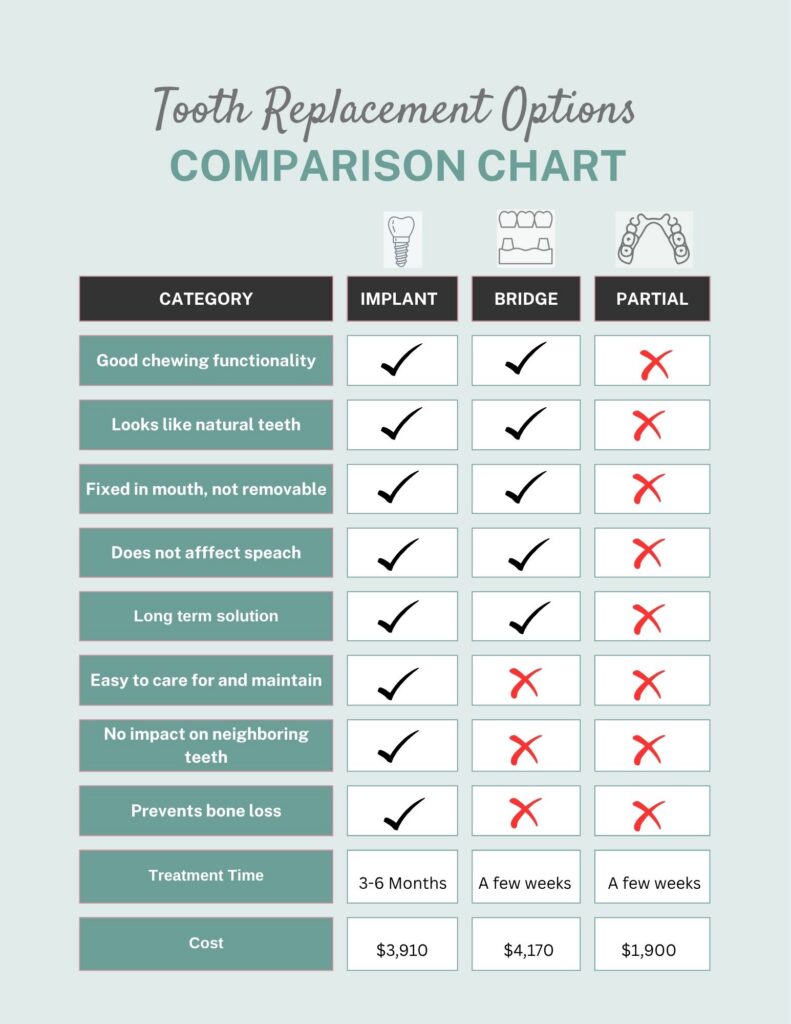
Partial Dentures vs. Dental Bridges vs. Dental Implants
━━
Which Option Is Right for You?
Several treatments may be appropriate for replacing missing teeth.
The Implant Process
━━
Step 1: Comprehensive Examination
Every implant case begins with a thorough evaluation.
We examine:
- Gum health
- Existing teeth
- Bone levels
- Bite function
- X-rays and photographs
We also discuss your goals and review all appropriate replacement options.
Step 2: Implant Placement
The implant is carefully placed into the jawbone using local anesthesia.
Most patients are surprised by how comfortable the procedure is.
Step 3: Healing and Integration
Over the next several months, the implant fuses with the surrounding bone through a natural process called osseointegration.
This creates a strong and stable foundation for the final restoration.
Step 4: Final Crown Placement
Once healing is complete, a custom ceramic crown is attached to the implant.
The final result is designed to blend naturally with your surrounding teeth while restoring normal function and appearance.
Does Implant Placement Hurt?
━━
One of the most common concerns patients have is discomfort during treatment.
Most patients report that implant placement is much easier than they expected.
Treatment is completed using local anesthesia, and many patients return to normal activities quickly afterward.
Our goal is to make every phase of treatment as comfortable and predictable as possible.
How Long Does a Single Tooth Implant Last?
━━
Dental implants are designed to be a long-term solution.
With proper care, implants can often function for decades.
Success depends on:
- Healthy gums
- Good oral hygiene
- Regular dental visits
- Avoiding tobacco use
- Managing grinding or clenching habits
Just like natural teeth, implants require routine maintenance and professional care.
What If I Don’t Have Enough Bone?
━━
Bone loss commonly occurs after a tooth has been missing for a period of time.
Fortunately, bone loss does not automatically prevent implant treatment.
In some situations, additional procedures such as bone grafting may be recommended to create a stronger foundation for the implant.
During your examination, we evaluate bone levels and discuss all available options.
How Much Does a Single Tooth Implant Cost?
━━
One of the most common questions we receive is:
“How much does a dental implant cost?”
While every patient is different, many patients appreciate having a general understanding of costs before scheduling treatment.
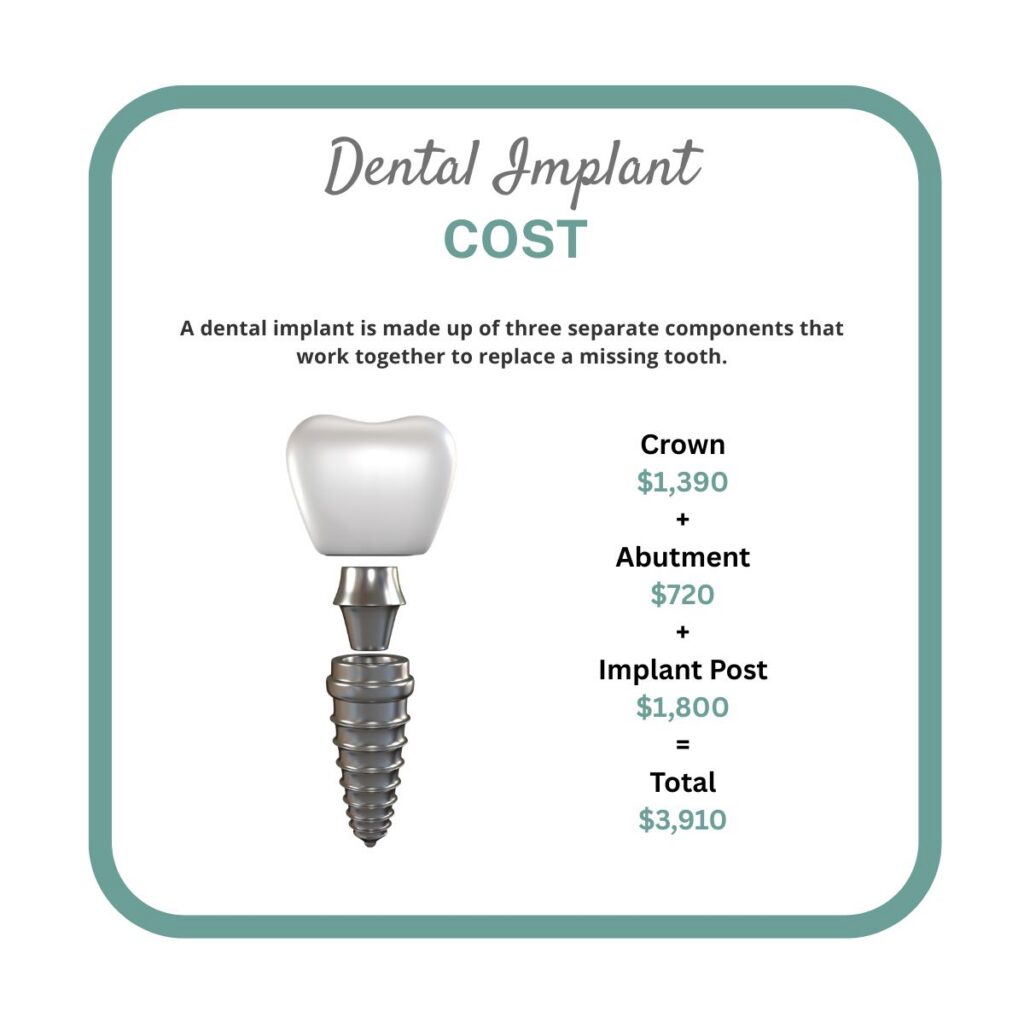
A typical single tooth implant is made up of 3 parts: an implant post, abutment, and crown.
Additional procedures such as extractions, bone grafting, or other treatment may be necessary in some situations.
We provide a detailed treatment plan and exaction fees before treatment begins. The price of the implant itself is shown below.
Cost and Payment Options
━━━━━
We understand that replacing a missing tooth with a dental implant is an investment in your long-term oral health.
Before treatment begins, we’ll review anticipated costs, insurance benefits, financing options, and answer any questions you may have.




Learn More About Single Tooth Dental Implants
━━━━━
Bridge vs. Implant: Which Option Is Right for You?→
Compare dental bridges and dental implants to determine which tooth replacement option best fits your needs.
How Dental Implants Improve Appearance and Function →
Discover how dental implants restore your smile, improve chewing ability, and support long-term oral health.
How Long Do Dental Implants Last? →
Learn what affects the lifespan of dental implants and how proper care can help them last for decades.
Dental Implant Maintenance: What You Need to Know →
Discover simple daily care and regular dental visits that help keep your dental implants healthy and functioning properly.
Why Bone Loss Occurs After Tooth Loss and How Dental Implants Help Preserve Bone →
Learn why jawbone loss occurs after tooth loss and how dental implants help preserve bone and facial support.
Frequently Asked Questions
Ready to Get Started?
━━
Schedule an examination with Dr. Omeltschenko to discuss your concerns, evaluate your oral health, and review your treatment options.