Pain When Biting in Cincinnati, OH
━━
Pain when biting often indicates an underlying problem with a tooth or your bite. Finding the cause allows us to recommend the right treatment before the problem worsens.
Why Does My Tooth Hurt When I Bite Down?
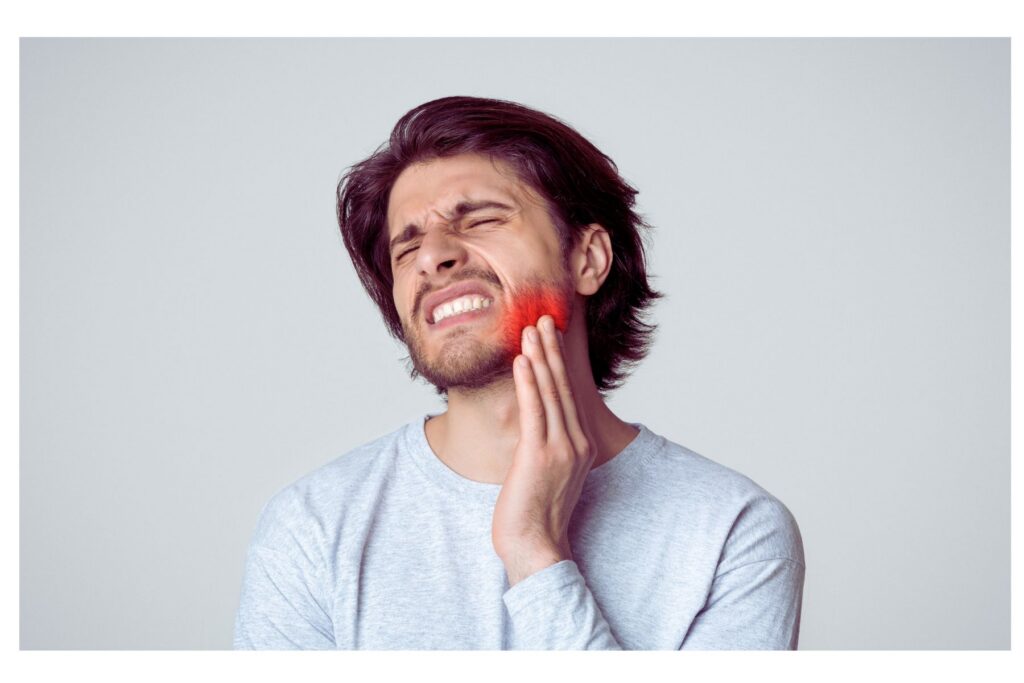
Pain when biting is a common dental symptom that can range from mild discomfort to severe pain. It may occur when chewing food, biting down, or releasing pressure after biting.
While the discomfort may seem to come from a single tooth, there are many possible causes. At Total Dentistry, Dr. Christopher Omeltschenko performs a comprehensive examination to identify the source of your pain and recommend treatment designed to address the underlying problem—not just relieve the symptoms.
What Causes Pain When Biting?
Pain when biting can result from several different dental conditions, including:
- A cracked or fractured tooth
- A cavity that has reached the inner layers of the tooth
- An inflamed or infected tooth nerve
- A tooth abscess
- A high filling or crown that is affecting your bite
- Teeth grinding or clenching
- A loose or failing filling or crown
- Gum disease affecting the supporting tissues
- Trauma to a tooth
Because several of these conditions produce similar symptoms, an examination is the best way to determine the true cause.
Signs and Symptoms
You may notice:
- Sharp pain when biting down
- Pain when releasing your bite
- Discomfort while chewing certain foods
- One specific tooth that feels sore
- Sensitivity to hot or cold
- Swelling around the tooth or gums
- A feeling that your bite is “off”
Some patients experience pain only occasionally, while others notice it every time they chew.
When Should You See a Dentist?
You should schedule an examination if:
- Pain lasts more than a day or two.
- It hurts every time you chew.
- You notice swelling or drainage.
- A tooth feels loose or cracked.
- You recently had a filling or crown and your bite feels uneven.
- The pain is becoming more frequent or severe.
Prompt evaluation often allows treatment before the problem becomes more extensive.
How Is Pain When Biting Diagnosed?
Finding the cause of biting pain requires more than simply identifying which tooth hurts.
During your examination, Dr. Omeltschenko may evaluate:
- Digital X-rays
- Clinical photographs
- Bite alignment
- Existing fillings or crowns
- Cracks or fractures
- Tooth mobility
- Gum health
- The health of the tooth’s nerve
Special diagnostic tests may also be used to determine whether the discomfort is coming from the tooth, surrounding tissues, or your bite.
What Happens If It’s Left Untreated?
Ignoring pain when biting can allow the underlying problem to worsen.
Depending on the cause, delaying treatment may lead to:
- Larger tooth fractures
- Progressive tooth decay
- Infection of the tooth nerve
- Dental abscess
- Loss of additional tooth structure
- Tooth loss
- More complex treatment
Early diagnosis often allows for more conservative treatment and a better long-term outcome.
Possible Treatment Options
Treatment depends on the underlying cause of your symptoms.
Possible treatment options include:
- Bite Adjustment – if a filling, crown, or your natural bite is placing excessive pressure on a tooth.
- Tooth-Colored Fillings – for cavities or failing restorations.
- Same-Day Crowns – to protect cracked, weakened, or heavily restored teeth.
- Root Canal Therapy – when the tooth’s nerve has become permanently inflamed or infected.
- Tooth Extraction – if the tooth cannot be predictably restored.
- Nightguard Therapy – if grinding or clenching is contributing to excessive biting forces.
Our goal is to determine why your tooth hurts when you bite and recommend the most conservative treatment that provides long-term success.
Frequently Asked Questions
Continue Exploring
━━━━━
Why Does My Tooth Hurt When I Bite Down? →
Learn why a tooth may hurt when you bite down, the symptoms of a cracked tooth, and why a professional evaluation is important for an accurate diagnosis.
Can a Crown Save a Cracked Tooth? →
Find out when a dental crown can protect a cracked tooth and help prevent further damage.
Do I Need a Filling or a Crown? →
Understand how dentists decide whether a filling or a crown is the best treatment for a damaged tooth.
Root Canal vs. Extraction: Which Is Right for You? →
Compare the benefits of saving an infected tooth with a root canal versus replacing it after extraction.
Why Does My Bite Feel Different After a Filling? →
Learn why your bite may feel “off” after a filling and when an adjustment may be needed.
Ready to Get Started?
━━
Pain when biting is your body’s way of telling you that something isn’t functioning properly. Identifying the cause early can often prevent more extensive treatment and help preserve your natural tooth.
If you’re experiencing pain when biting or chewing, schedule an examination with Dr. Christopher Omeltschenko. We’ll determine the cause of your symptoms, explain your treatment options, and help you make an informed decision about your oral health.