Gum Recession in Cincinnati, OH
━━
Gum recession can expose the roots of your teeth, increase sensitivity, and be a sign of an underlying problem. Learn what’s causing it and how treatment can help protect your oral health.
Why Are My Gums Receding?
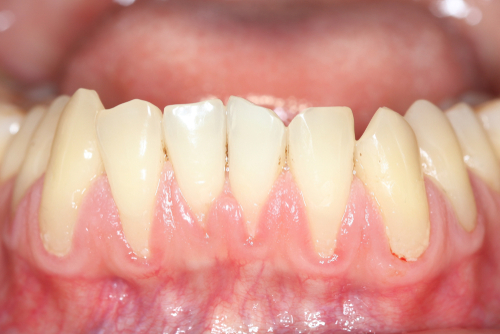
If your teeth look longer than they used to, or you’ve noticed the roots of your teeth becoming exposed, you may have gum recession.
Gum recession occurs when the gum tissue gradually pulls away from the teeth, exposing the root surfaces. While gum recession is common, it should not be considered a normal part of aging. In many cases, it is a sign of an underlying problem that should be identified and addressed.
At Total Dentistry, Dr. Christopher Omeltschenko performs a comprehensive examination to determine why your gums are receding and recommend treatment designed to protect your teeth and support your long-term oral health.
What Causes Gum Recession?
Gum recession can occur for many reasons, including:
- Periodontal disease (gum disease)
- Teeth grinding or clenching
- Excessive biting forces
- Aggressive tooth brushing
- Thin gum tissue
- Tobacco use
- Orthodontic tooth movement in certain situations
- Poor oral hygiene
Often, more than one factor contributes to gum recession.
At Total Dentistry, we don’t simply measure how much gum has receded—we work to identify why it happened in the first place.
Signs and Symptoms
Gum recession may cause:
- Teeth that appear longer than before
- Exposed tooth roots
- Sensitivity to hot or cold
- Notches or grooves near the gumline
- Food collecting between the teeth
- Bleeding gums
- Spaces developing between the teeth
- Changes in the appearance of your smile
Many patients notice the appearance of gum recession long before they experience discomfort.
Should Gum Recession Be Evaluated?
Yes.
Even if gum recession isn’t causing pain, it should be evaluated because it may indicate an underlying problem.
You should schedule an examination if:
- Your teeth appear longer than before.
- You notice exposed tooth roots.
- Your teeth have become more sensitive.
- Your gums continue to recede.
- You’ve noticed changes in the way your teeth fit together.
- You have bleeding gums or loose teeth.
Early evaluation often helps prevent additional gum and bone loss.
How Is Gum Recession Diagnosed?
Determining why your gums are receding involves more than simply measuring the gumline.
During your examination, Dr. Omeltschenko may evaluate:
- Gum measurements
- Periodontal pocket depths
- Gum thickness
- Bone levels using digital X-rays
- Tooth wear
- Bite alignment
- Signs of grinding or clenching
- Plaque and tartar buildup
Evaluating your gums, teeth, and bite together allows us to determine the factors contributing to the recession and recommend the most appropriate treatment.
What Happens If Gum Recession Is Left Untreated?
Depending on the cause, untreated gum recession may lead to:
- Increasing tooth sensitivity
- Root decay
- Continued loss of gum tissue
- Progressive bone loss
- Loose teeth
- Tooth loss
- Cosmetic concerns
Treating the underlying cause early can often help slow or stop the progression of gum recession.
Possible Treatment Options
Treatment depends on the underlying cause of the recession.
Possible treatment options include:
- Periodontal Therapy – If gum disease is causing the recession, periodontal therapy may be recommended to control the infection and help prevent further damage.
- Home Care Modifications – Adjusting brushing technique and improving plaque removal may help reduce additional irritation to the gums.
- Nightguard Therapy – If grinding or clenching is contributing to excessive forces on the teeth and gums, a custom nightguard may be recommended.
- Monitoring – Mild, stable recession may simply be monitored during your routine examinations if the underlying cause has been addressed.
- Referral for Gum Grafting – In some cases, significant recession may benefit from evaluation by a periodontist for soft tissue grafting to help protect exposed roots and improve gum coverage.
Our goal is to identify and address the underlying cause of the recession while helping you preserve your natural teeth for the long term.
Looking Beyond the Receding Gums
Gum recession is often the result of a combination of factors—not just one.
At Total Dentistry, we believe successful treatment begins with understanding the complete picture. That’s why every comprehensive examination evaluates the health of your gums, teeth, and bite to determine why recession is occurring and what can be done to reduce the risk of future damage.
Frequently Asked Questions
Continue Exploring
━━━━━
Why Are My Teeth Sensitive? →
Learn the most common causes of tooth sensitivity and what it may be telling you about your oral health.
Can Gum Recession Be Repaired? →
Discover the treatment options available to protect exposed tooth roots and restore gum health.
What Is Periodontal Disease? →
Understand how periodontal disease affects your gums, bone, and teeth—and why early treatment matters.
Why Are My Teeth Wearing Down? →
Explore the most common causes of tooth wear and how early treatment can prevent further damage.
Does Teeth Grinding Affect My Gums? →
Learn how teeth grinding can contribute to gum recession, tooth wear, and other dental problems.
Ready to Get Started?
━━
Gum recession is often an early warning sign that something is affecting the health of your gums, teeth, or bite. Identifying the cause early can help protect your teeth and reduce the risk of future problems.
If you’ve noticed your gums receding or your teeth appearing longer than they used to, schedule an examination with Dr. Christopher Omeltschenko. We’ll determine what’s causing the recession, explain your treatment options, and help you protect your smile for years to come.