Lost or Broken Crown in Cincinnati, OH
━━
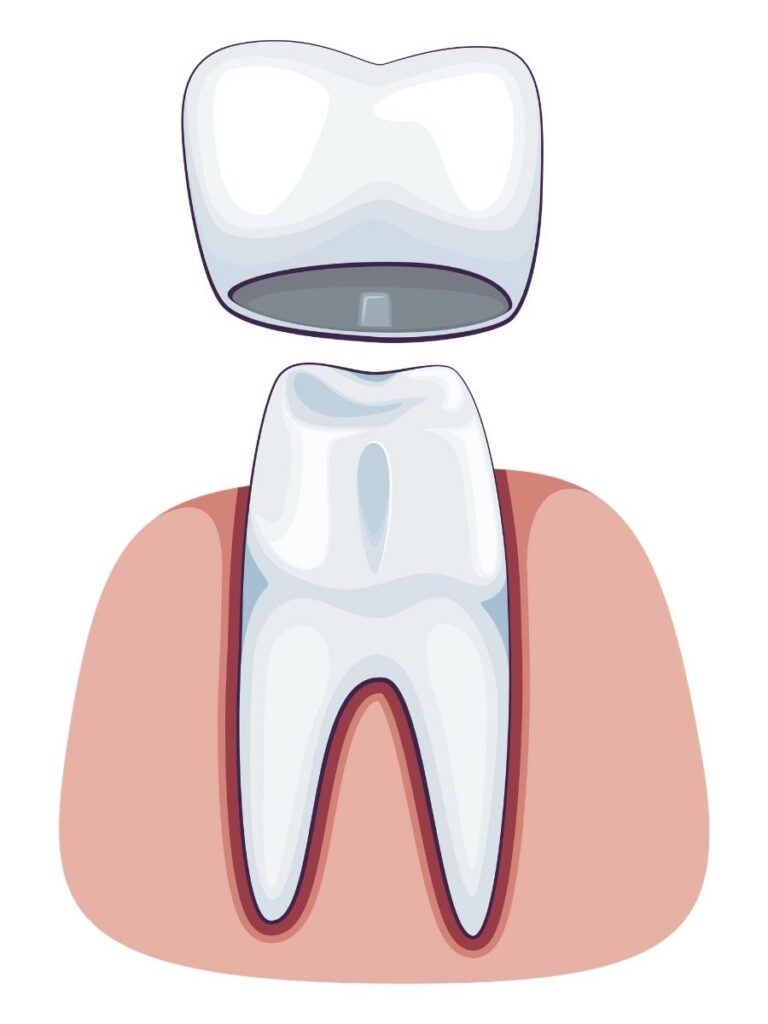
A damaged or missing crown leaves the underlying tooth exposed. Prompt treatment can often prevent additional damage and restore normal function.
What Should You Do If Your Crown Falls Off or Breaks?
Dental crowns are designed to restore and protect damaged teeth, but like any dental restoration, they can occasionally become loose, fall off, or fracture. If this happens, don’t panic. In many cases, the tooth can be repaired and the crown may even be able to be reused.
The most important step is having the tooth evaluated promptly. Leaving a tooth unprotected can increase the risk of sensitivity, decay, or fracture.
At Total Dentistry, Dr. Christopher Omeltschenko performs a comprehensive examination to determine why the crown failed and recommend the most conservative treatment to restore your tooth and protect it for the long term.
Why Do Crowns Come Off or Break?
Dental crowns are very durable, but they are not indestructible.
Common reasons a crown may fail include:
- Normal wear over many years
- Tooth decay developing underneath the crown
- Fracture of the tooth supporting the crown
- Heavy biting forces from grinding or clenching
- Cement failure
- Biting hard or sticky foods
- Damage from trauma or an accident
Sometimes the crown itself remains in excellent condition, while the underlying tooth requires additional treatment.
Signs and Symptoms
If you’ve lost or damaged a crown, you may notice:
- The crown has completely fallen off
- The crown feels loose or moves when chewing
- A visible crack or chip in the crown
- Sensitivity to hot or cold
- Pain when biting
- A rough or sharp edge
- Food getting trapped around the tooth
Some patients have very little discomfort, while others experience significant sensitivity.
What Should You Do If Your Crown Comes Off?
If your crown falls off:
- Carefully remove it from your mouth if possible.
- Store the crown in a safe container and bring it to your appointment.
- Keep the exposed tooth clean by brushing gently.
- Avoid chewing on that side of your mouth.
- Avoid very sticky or hard foods until the tooth has been evaluated.
- Do not use household glue to try to reattach the crown.
Prompt evaluation often increases the likelihood that the existing crown can be reused.
When Should You See a Dentist?
You should schedule an examination as soon as possible if:
- Your crown has fallen off.
- The crown feels loose.
- The crown has cracked or broken.
- The tooth underneath is painful or sensitive.
- It hurts to chew.
- Part of the tooth broke along with the crown.
Even if you’re not experiencing pain, delaying treatment may allow additional damage to occur.
How Is a Lost or Broken Crown Diagnosed?
When a crown fails, it’s important to determine whether the problem involves the crown, the tooth, or both.
During your examination, Dr. Omeltschenko may evaluate:
- Digital X-rays
- Clinical photographs
- The condition of the crown
- The amount of remaining tooth structure
- Signs of decay beneath the crown
- Cracks or fractures
- Bite alignment
Our goal is to determine why the crown failed so we can recommend the treatment most likely to provide long-term success.
What Happens If It’s Left Untreated?
A tooth without a properly fitting crown is more vulnerable to damage.
Without treatment, you may experience:
- Increased sensitivity
- Tooth decay
- Tooth fracture
- Movement of the tooth
- Nerve irritation or infection
- The need for more extensive treatment
Prompt treatment often allows for simpler and more predictable repairs.
Possible Treatment Options
Treatment depends on the condition of both the crown and the underlying tooth.
Possible treatment options include:
- Re-cement the Existing Crown – If both the crown and tooth are in good condition, the crown may simply be cleaned and reattached.
- New Same-Day Crown – If the crown is damaged, no longer fits properly, or decay has developed underneath it, a new crown may be recommended. Using our CEREC technology, many patients can receive a custom ceramic crown in a single visit.
- Build-Up and New Crown – If additional tooth structure has been lost, a build-up may be needed before placing a new crown.
- Root Canal Therapy – If the tooth’s nerve has become permanently inflamed or infected, root canal therapy may be recommended before restoring the tooth.
- Tooth Extraction – If the remaining tooth cannot be predictably restored, extraction may be the best long-term option. Replacement options such as a dental implant or bridge can then be discussed.
Whenever possible, our goal is to preserve your natural tooth while providing a restoration designed to last.
Looking Beyond the Crown
A crown rarely comes off “for no reason.”
Sometimes the dental cement simply reaches the end of its lifespan. In other cases, decay, a fractured tooth, grinding, clenching, or excessive biting forces may have contributed to the problem.
Understanding why the crown failed helps us recommend treatment that not only repairs the tooth but also reduces the risk of future complications.
Related Conditions
Related Services
Frequently Asked Questions
Continue Exploring
━━━━━
How Long Do Dental Crowns Last? →
Learn how long dental crowns typically last and what you can do to maximize their lifespan.
Can a Crown Prevent Tooth Extraction? →
Discover how a dental crown can strengthen a damaged tooth and help prevent tooth loss.
Can You Get a Cavity Under a Crown? →
Find out how decay can develop around a crown and the steps you can take to prevent it.
What Happens If a Crown Falls Off? →
Learn what to do if your crown comes off and why prompt treatment is important.
How to Care for a Dental Crown →
Explore simple habits that can help protect your crown and keep it functioning for years.
Ready to Get Started?
━━
A lost or broken crown doesn’t always mean you’ll need a new one, but it should be evaluated promptly to protect the underlying tooth. Early treatment often prevents more extensive problems and may even allow your existing crown to be reused.
If your crown has fallen off, become loose, or broken, schedule an examination with Dr. Christopher Omeltschenko. We’ll determine the cause of the problem, explain your treatment options, and help you restore your tooth comfortably and predictably.