
Lost, Loose or Broken Bridge in Cincinnati, OH
━━
A damaged dental bridge can affect your ability to chew comfortably and protect neighboring teeth. We’ll determine whether it can be repaired or should be replaced.
What Should You Do If Your Dental Bridge Becomes Loose, Breaks, or Falls Out?
Dental bridges are designed to replace missing teeth and restore your ability to chew comfortably and smile with confidence. While bridges are durable and often last many years, they can occasionally become loose, fracture, or come off.
If this happens, don’t panic. In many cases, the bridge or the supporting teeth can be repaired. The most important step is having the bridge evaluated promptly to prevent additional damage.
At Total Dentistry, Dr. Christopher Omeltschenko performs a comprehensive examination to determine why the bridge failed and recommend the most conservative treatment to restore your smile and protect your long-term oral health.
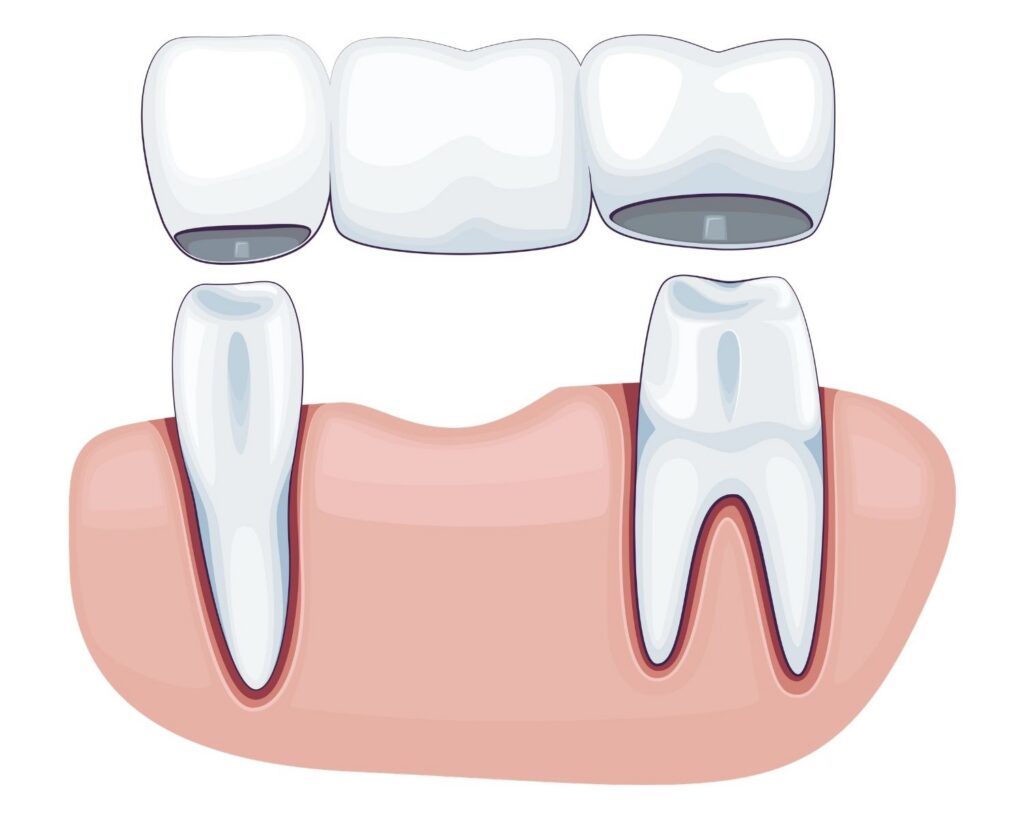
Why Do Dental Bridges Become Loose or Break?
Dental bridges can fail for a variety of reasons, including:
- Normal wear over time
- Decay developing around the supporting teeth
- Fracture of one or more supporting teeth
- Cement failure
- Heavy biting forces from grinding or clenching
- Trauma or injury
- Excessive stress placed on the bridge
Sometimes the bridge itself remains in good condition, while the supporting teeth require treatment.
Signs and Symptoms
If your bridge has become loose or damaged, you may notice:
- The bridge moves when chewing
- The bridge has completely come off
- A visible crack or chip in the bridge
- Pain when biting
- Sensitivity to hot or cold
- Food collecting beneath the bridge
- A bad taste or odor around the bridge
- One of the supporting teeth feels loose or painful
Some bridges fail without causing pain, making routine evaluation especially important.
What Should You Do If Your Bridge Comes Off?
If your bridge comes out:
- Remove it from your mouth if possible.
- Store it in a safe container and bring it to your appointment.
- Gently brush the supporting teeth.
- Avoid chewing on that side of your mouth.
- Do not attempt to glue the bridge back into place.
Prompt evaluation often improves the chances of preserving the bridge or the supporting teeth.
When Should You See a Dentist?
You should schedule an examination as soon as possible if:
- Your bridge feels loose.
- The bridge has fallen out.
- The bridge is cracked or broken.
- One of the supporting teeth is painful.
- Food constantly becomes trapped around the bridge.
- It hurts to chew.
Even if the bridge isn’t causing discomfort, delaying treatment may allow additional damage to occur.
How Is a Loose or Broken Bridge Diagnosed?
When a bridge fails, it’s important to determine whether the problem involves the bridge itself, the supporting teeth, or both.
During your examination, Dr. Omeltschenko may evaluate:
- Digital X-rays
- Clinical photographs
- The condition of the bridge
- The health of the supporting teeth
- Signs of decay
- Fractures
- Gum health
- Bite alignment and chewing forces
Understanding why the bridge failed allows us to recommend the treatment most likely to provide long-term success.
What Happens If It’s Left Untreated?
A loose or damaged bridge should not be ignored.
Without treatment, you may experience:
- Additional damage to the bridge
- Tooth decay around the supporting teeth
- Fracture of the supporting teeth
- Gum irritation
- Difficulty chewing
- Loss of one or more supporting teeth
- More extensive restorative treatment
Prompt evaluation often helps preserve both the bridge and the teeth supporting it.
Possible Treatment Options
Treatment depends on the condition of the bridge and the supporting teeth.
Possible treatment options include:
- Re-cement the Existing Bridge – If the bridge and supporting teeth are healthy, it may simply be cleaned and securely reattached.
- Repair or Replace the Bridge – If the bridge is damaged or no longer fits properly, a new bridge may be recommended.
- Treatment of the Supporting Teeth – If decay or fractures are present, fillings, crowns, or root canal therapy may be necessary before the bridge can be repaired or replaced.
- Dental Implants – If one or more supporting teeth cannot be saved, replacing the bridge with one or more dental implants may provide a more predictable long-term solution in some situations.
Our goal is always to preserve your natural teeth whenever possible while recommending the treatment that offers the best long-term outcome.
Looking Beyond the Bridge
A bridge usually doesn’t fail without an underlying reason.
Sometimes years of normal use simply take their toll. In other cases, tooth decay, fractures, grinding, clenching, or excessive biting forces may have contributed to the problem.
At Total Dentistry, we believe it’s important to understand why the bridge failed—not just how to replace it. By identifying the underlying cause, we can often reduce the risk of similar problems in the future.
Frequently Asked Questions
Continue Exploring
━━━━━
Bridge vs. Dental Implant: Which Is Right for You? →
Compare dental bridges and implants to understand which option may best replace your missing tooth.
How Long Do Dental Bridges Last? →
Learn how long dental bridges typically last and what you can do to maximize their lifespan.
Can a Dental Bridge Be Repaired? →
Find out when a damaged bridge can be repaired and when replacement may be the better option.
What Happens If a Dental Bridge Fails? →
Discover the signs of a failing bridge and why prompt treatment is important.
How to Care for a Dental Bridge →
Explore simple daily habits that can help protect your bridge and keep it functioning for years.
Ready to Get Started?
━━
A loose, broken, or missing dental bridge doesn’t always require complete replacement, but it should be evaluated promptly to protect the supporting teeth and prevent additional damage.
If your bridge has become loose, broken, or fallen out, schedule an examination with Dr. Christopher Omeltschenko. We’ll determine why the bridge failed, explain your treatment options, and help you choose the solution that best restores your smile and protects your long-term oral health.