
Tooth Decay (Cavities) in Cincinnati, OH
━━
Cavities are one of the most common dental problems, but early treatment helps preserve more of your natural tooth. Preventing future decay begins with understanding why it developed.
What Is a Cavity?
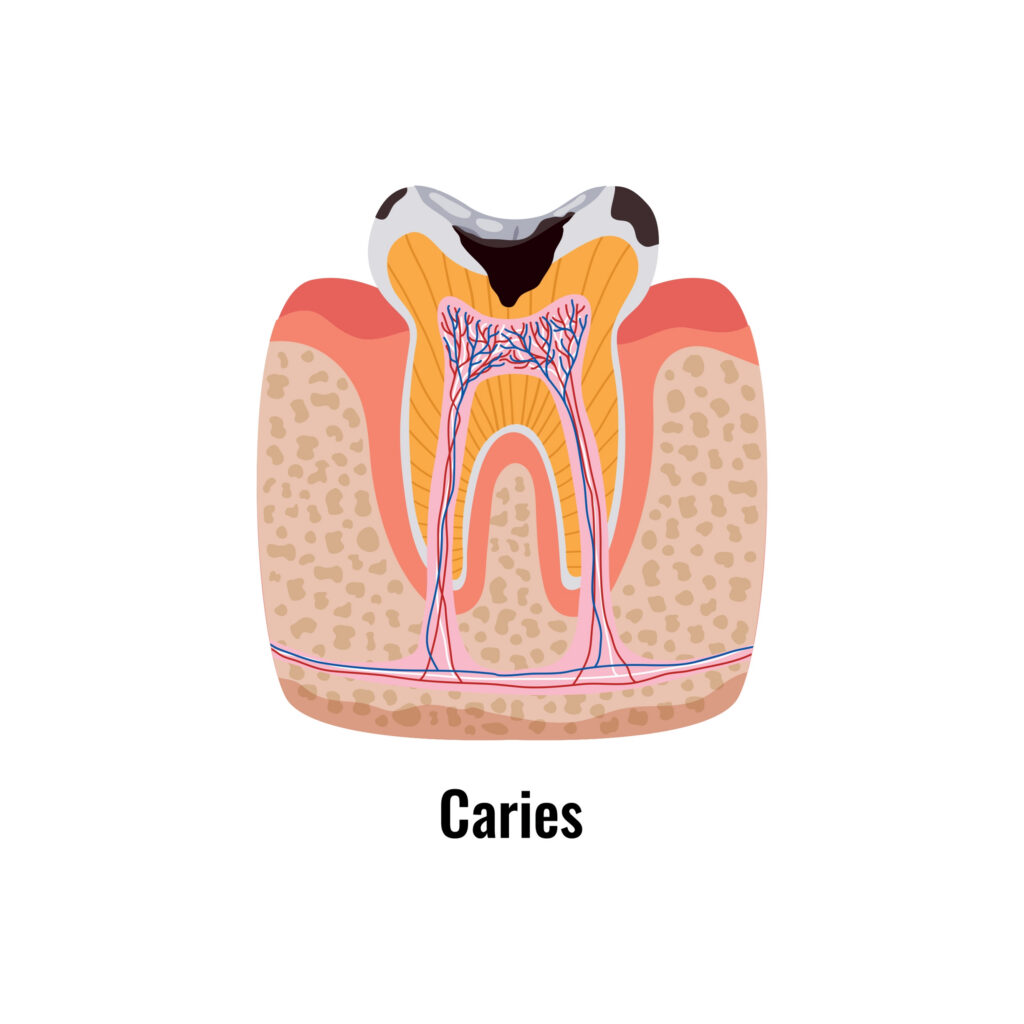
A cavity is a permanently damaged area of a tooth caused by tooth decay. It develops when bacteria in dental plaque produce acids that gradually dissolve the tooth’s enamel. If left untreated, the decay continues to spread deeper into the tooth and may eventually reach the nerve.
The good news is that cavities are highly treatable, especially when detected early. At Total Dentistry, Dr. Christopher Omeltschenko focuses on diagnosing tooth decay in its earliest stages so treatment can be as conservative as possible while protecting your long-term oral health.
What Causes Cavities?
Cavities develop when several factors work together over time.
Common causes include:
- Dental plaque bacteria
- Frequent consumption of sugary foods or drinks
- Poor oral hygiene
- Dry mouth
- Deep grooves in the teeth
- Previous cavities
- Frequent snacking
Tooth decay doesn’t occur overnight. It develops gradually as bacteria repeatedly produce acids that weaken the enamel.
Signs and Symptoms
Early cavities often cause no symptoms.
As decay progresses, you may notice:
- Tooth sensitivity to cold, sweets, or heat
- Pain when eating or drinking
- A visible hole or dark spot in the tooth
- Food becoming trapped
- Pain when biting
- A chipped or broken tooth
- Toothache
Because many cavities are painless in their early stages, routine dental examinations are one of the best ways to detect them before they become larger.
How Are Cavities Diagnosed?
During your examination, Dr. Omeltschenko carefully evaluates each tooth for signs of decay.
This may include:
- Clinical examination
- Digital X-rays
- Intraoral photographs
- Evaluation of existing fillings and crowns
- Assessment of your risk for future decay
These tools help identify cavities that may not yet be visible or causing symptoms.
What Happens If a Cavity Is Left Untreated?
Tooth decay does not heal on its own.
Without treatment, a cavity will continue to grow larger and may lead to:
- Increasing tooth sensitivity
- Toothache
- Infection of the nerve
- A dental abscess
- Broken teeth
- Root canal therapy
- Tooth extraction
The earlier a cavity is treated, the more tooth structure can usually be preserved.
Possible Treatment Options
Treatment depends on the size and location of the cavity.
Possible treatment options include:
- Tooth-Colored Fillings – Small to moderate cavities are often treated with durable, natural-looking composite fillings that restore the tooth while preserving as much healthy tooth structure as possible.
- Same-Day Crowns – Larger cavities may weaken the tooth to the point that a filling is no longer the most predictable option. A crown may be recommended to restore strength and reduce the risk of fracture.
- Root Canal Therapy – If decay reaches the nerve of the tooth, root canal treatment may be necessary to remove the infection and save the tooth.
- Tooth Extraction – If the tooth cannot be predictably restored, extraction may be the healthiest long-term option. Replacement options such as dental implants or bridges can then be discussed if appropriate.
Our goal is always to preserve your natural tooth whenever it can be done predictably.
Looking Beyond the Cavity
At Total Dentistry, we don’t simply repair cavities—we also help patients understand why they developed.
Diet, oral hygiene habits, dry mouth, previous dental history, and other risk factors all influence your likelihood of developing future cavities.
By identifying these factors, we can often help reduce the risk of future decay while preserving your natural teeth.
Frequently Asked Questions
Continue Exploring
━━━━━
How to Know If You Have a Cavity →
Learn the common signs of tooth decay, when a cavity causes symptoms, and why regular dental exams are important.
Can a Small Cavity Heal on Its Own? →
Find out when early tooth decay can be reversed and when a cavity requires a filling.
Filling vs. Crown: Which Does My Tooth Need? →
Learn how dentists decide between a filling and a crown based on the size and severity of tooth damage.
What Happens If You Ignore a Cavity? →
Discover how untreated cavities progress and why delaying treatment can lead to larger restorations or a root canal.
How to Prevent Cavities →
Explore the daily habits, diet, and preventive care that help reduce your risk of tooth decay.
Ready to Get Started?
━━
Cavities are one of the most common dental problems, but they’re also one of the most treatable when detected early.
If you’ve noticed tooth sensitivity, a dark spot on a tooth, or it’s simply time for your routine examination, schedule an appointment with Dr. Christopher Omeltschenko. He’ll evaluate your oral health, identify any areas of tooth decay, and recommend the most conservative treatment to help protect your smile for years to come.