Many adults don’t realize that small changes in their bite can have big consequences for their teeth, gums, and jaw. Uneven forces from misaligned teeth can cause cracks, worn enamel, jaw pain, and even headaches over time. Understanding your bite and addressing alignment issues early is one of the most important steps to maintaining long-term oral health.
What Is Bite Alignment?
Bite alignment refers to how your upper and lower teeth meet when your jaws are closed. Proper alignment distributes chewing forces evenly across all teeth, allowing your bite, gums, and teeth to function harmoniously.
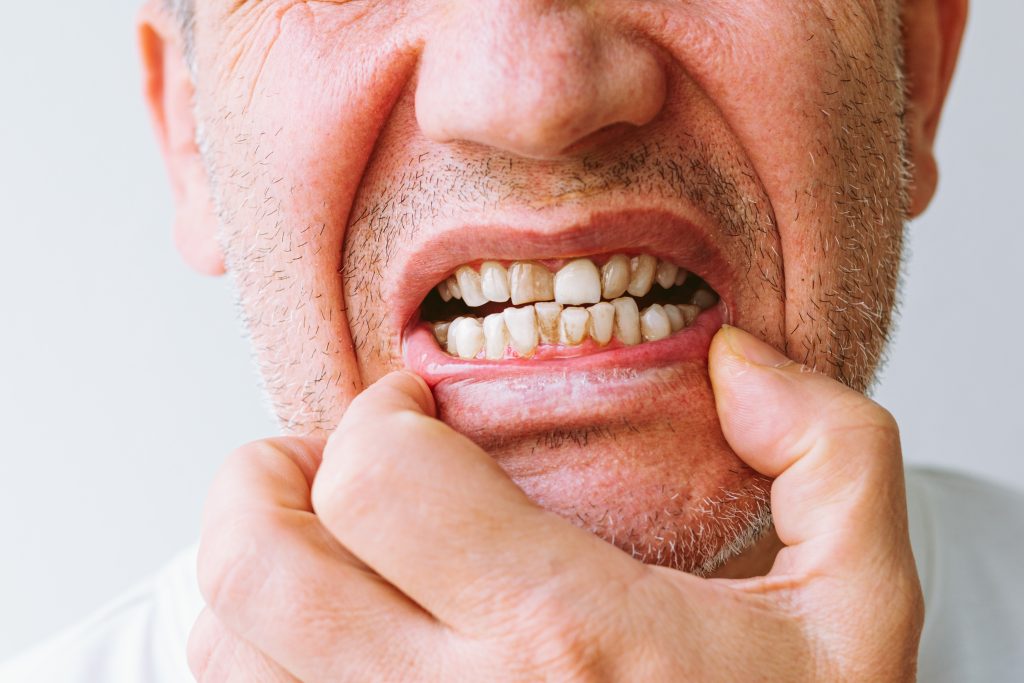
Poor alignment (malocclusion) can cause:
- Uneven wear on teeth
- Increased risk of cracked or fractured teeth
- Jaw muscle strain and tension headaches
- Stress on dental restorations
Why Bite Misalignment Happens
Several factors contribute to bite problems, including:
- Genetics – inherited jaw or teeth structure
- Tooth loss or shifting teeth – missing teeth change how forces distribute
- Dental restorations – fillings, crowns, or bridges that alter bite forces
- Teeth grinding or clenching (bruxism) – wears down teeth over time
- Jaw injuries or trauma – can misalign bite and create uneven pressure
Even minor misalignments can worsen gradually, making early detection crucial.
Common Signs of Bite Problems
You may have bite issues if you notice:
- Cracked, chipped, or excessively worn teeth
- Jaw pain, stiffness, or popping
- Frequent headaches or facial tension
- Difficulty chewing or biting
- Crowded or shifted teeth
Recognizing these signs early allows for preventive care before serious damage occurs.
How Dentists Evaluate Bite Function
Dentists use several methods to assess bite alignment:
- Visual and tactile examination – looking for wear patterns, cracks, or uneven teeth
- Digital imaging and X-rays – evaluate jaw structure and tooth positioning
- Bite analysis – measuring how forces are distributed across teeth
- Review of habits and symptoms – grinding, clenching, or chewing patterns
This comprehensive evaluation determines whether treatment or preventive measures are necessary.
Treatment and Prevention Options
Depending on the severity of the misalignment, treatment may include:
- Nightguards – protect teeth from grinding and clenching
- Bite adjustment (occlusal equilibration) – minor reshaping to reduce uneven forces
- Orthodontics – braces or clear aligners for tooth movement
- Restorative care – crowns or fillings to restore damaged teeth
- Lifestyle adjustments – stress reduction and habit modification to prevent bruxism
Early intervention protects your teeth, gums, and jaw from long-term damage.
Bite alignment is more than just cosmetic—it’s a cornerstone of long-term oral health. Properly aligned teeth reduce wear, prevent fractures, protect gums, and minimize jaw strain. By addressing bite issues early, you can maintain a healthy, functional smile for life.
If you live in the Cincinnati area and want a comprehensive evaluation of your bite, teeth, and gums, Total Dentistry Cincinnati can help. Call (513) 245-2200 to schedule an examination today to protect your long-term oral health.