
Periodontitis in Cincinnati, OH
━━
Periodontitis is an advanced form of gum disease that can damage the bone supporting your teeth. Early treatment helps control the disease and preserve your natural smile.
What Is Periodontitis?
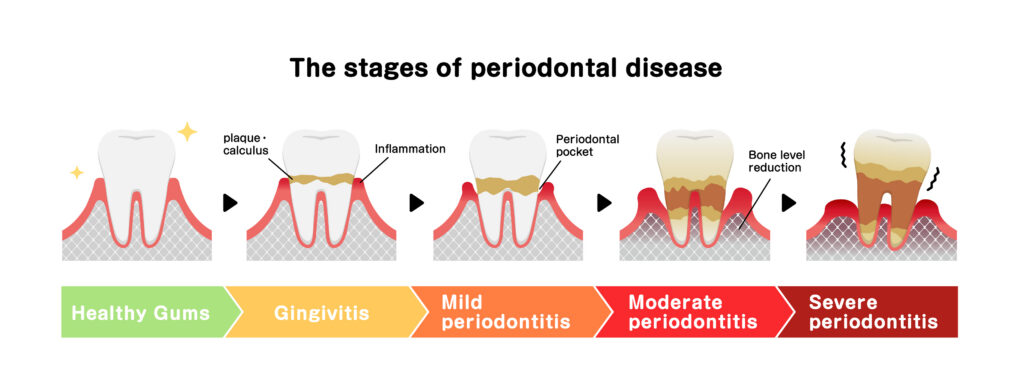
Periodontitis, commonly known as advanced gum disease, is a bacterial infection that damages the gums, bone, and other tissues supporting your teeth. Unlike gingivitis, periodontitis causes permanent loss of the bone that holds your teeth in place.
The good news is that while lost bone cannot typically be restored through routine treatment, periodontitis can often be successfully managed. Early diagnosis and ongoing care can help slow or stop the progression of the disease, allowing many patients to keep their natural teeth for years to come.
At Total Dentistry, Dr. Christopher Omeltschenko evaluates the health of your gums as part of every comprehensive examination because healthy gums are the foundation of long-term oral health.
What Causes Periodontitis?
Periodontitis develops when gingivitis is left untreated and bacteria continue to accumulate below the gumline.
As the infection progresses, the body’s inflammatory response begins to destroy the bone and connective tissues supporting the teeth.
Several factors may increase your risk, including:
- Untreated gingivitis
- Inadequate brushing and flossing
- Tobacco use
- Diabetes
- Certain medications
- Dry mouth
- Family history of gum disease
- Teeth grinding or excessive biting forces
- Poor nutrition
Although these factors increase risk, bacterial plaque remains the primary cause of periodontal disease.
Signs and Symptoms
Many people with periodontitis experience little discomfort until significant damage has already occurred.
Common signs include:
- Bleeding when brushing or flossing
- Red, swollen, or tender gums
- Persistent bad breath
- Gum recession
- Teeth appearing longer
- Food becoming trapped between teeth
- Loose or shifting teeth
- Changes in the way your teeth fit together when biting
- Occasional discomfort while chewing
Because periodontitis often progresses painlessly, regular examinations are essential for early detection.
How Is Periodontitis Diagnosed?
Diagnosing periodontal disease involves evaluating both the gums and the bone supporting your teeth.
During your examination, Dr. Omeltschenko may evaluate:
- Periodontal pocket measurements
- Bleeding around the gums
- Gum recession
- Tooth mobility
- Digital X-rays to evaluate bone loss
- Plaque and tartar buildup
- Risk factors affecting your gum health
By evaluating your gums, teeth, and bite together, we can determine the severity of the disease and develop an individualized treatment plan.
What Happens If Periodontitis Is Left Untreated?
Periodontal disease does not improve on its own.
Without treatment, the infection may continue to destroy the supporting bone around your teeth, leading to:
- Progressive bone loss
- Gum recession
- Loose teeth
- Teeth shifting out of position
- Difficulty chewing
- Tooth loss
- More complex restorative treatment
Research has also demonstrated an association between periodontal disease and several systemic health conditions, including:
- Heart disease
- Stroke
- Diabetes
- Rheumatoid arthritis
- Pregnancy complications
- Dementia and Alzheimer’s disease (ongoing research)
While researchers continue to study these relationships, chronic inflammation appears to be an important connection between oral health and overall health.
Can Periodontitis Be Reversed?
Unlike gingivitis, periodontitis cannot be reversed because the bone supporting the teeth has already been lost.
However, the disease can often be successfully controlled with appropriate treatment and ongoing maintenance.
The goal is to stop the infection, stabilize the bone that remains, and help you keep your natural teeth for as long as possible.
Possible Treatment Options
Treatment depends on the severity of the disease.
Possible treatment options include:
- Periodontal Therapy (Scaling and Root Planing) – Removes plaque, tartar, and bacteria from beneath the gums while smoothing the root surfaces to encourage healing.
- Periodontal Maintenance – Following active treatment, most patients benefit from maintenance visits every three to four months. Harmful bacteria begin to repopulate beneath the gums in approximately 90 days, making regular maintenance one of the most important steps in controlling periodontal disease.
- Personalized Home Care – Brushing, flossing, interdental brushes, water flossers, and other techniques are customized to your specific needs to help manage bacteria between professional visits.
Our goal is not simply to clean your teeth, but to control the infection and help preserve your natural teeth for the long term.
Looking Beyond the Infection
At Total Dentistry, we believe successful periodontal treatment involves more than simply removing bacteria.
We also evaluate factors that may contribute to the progression of gum disease, including the health of your teeth, your bite, and your home care routine. By understanding the complete picture, we can develop a treatment plan designed to support your long-term oral health—not just today’s symptoms.
Related Conditions
Frequently Asked Questions
Continue Exploring
━━━━━
Gingivitis vs. Periodontitis: What’s the Difference? →
Learn the differences between gingivitis and periodontitis, and why early treatment matters.
Why Do I Need a Deep Cleaning? →
Find out why scaling and root planning is recommended and how it helps treat gum disease.
Why Are Periodontal Maintenance Visits Every 3–4 Months? →
Learn why more frequent cleanings help control periodontal disease and protect your long-term oral health.
Can Gum Disease Affect Your Overall Health? →
Explore the connection between gum disease and your overall health, including its links to other medical conditions.
How to Improve Your Home Oral Hygiene →
Discover simple daily habits that help keep your gums healthy and reduce your risk of gum disease.
Ready to Get Started?
━━
Periodontal disease is one of the leading causes of tooth loss, but with early diagnosis and ongoing care, it can often be successfully managed.
If you’ve been told you have gum disease or have noticed bleeding gums, gum recession, or loose teeth, schedule an examination with Dr. Christopher Omeltschenko. We’ll evaluate the health of your gums, explain the stage of the disease, and develop a personalized treatment plan to help protect your smile for years to come.