
Pericoronitis in Cincinnati, OH
━━
Pericoronitis is an infection of the gum tissue surrounding a partially erupted tooth, most commonly a wisdom tooth. Early treatment helps relieve pain and reduce the risk of more serious infection.
What Is Pericoronitis?
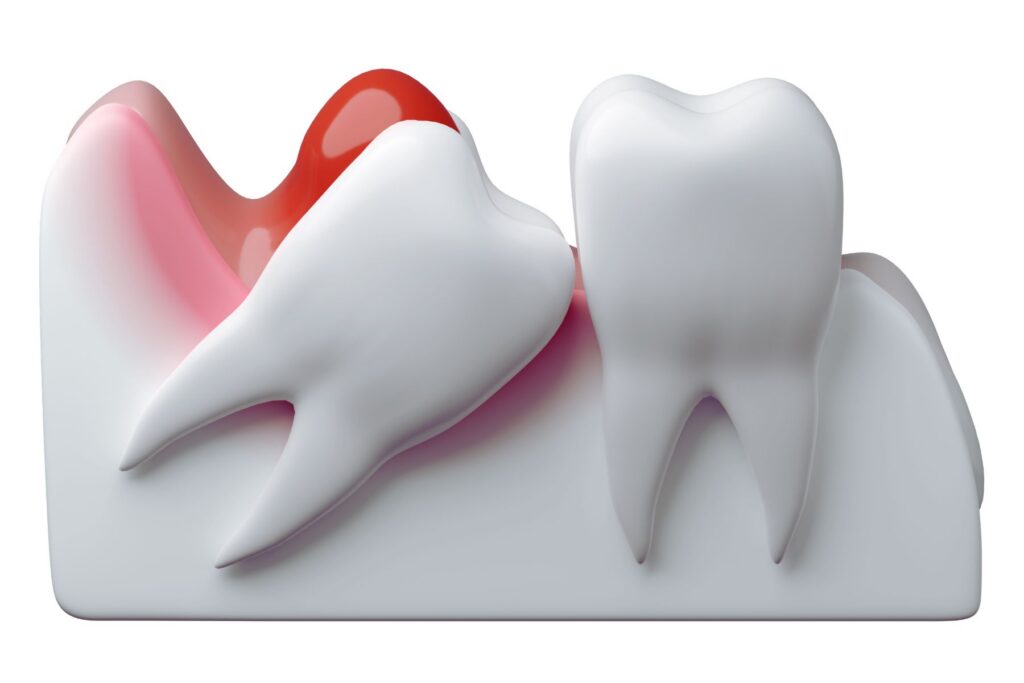
Pericoronitis is an infection and inflammation of the gum tissue surrounding a partially erupted tooth, most commonly a wisdom tooth. When a tooth only partially emerges through the gums, a flap of gum tissue can remain over part of the tooth. Food, bacteria, and plaque can become trapped beneath this tissue, leading to irritation and infection.
Pericoronitis can range from mild gum tenderness to significant pain, swelling, and difficulty opening the mouth. Fortunately, with prompt treatment, the infection can usually be managed successfully.
At Total Dentistry, Dr. Christopher Omeltschenko evaluates the affected tooth and surrounding tissues to determine the cause of the infection and recommend the most appropriate treatment.
What Causes Pericoronitis?
Pericoronitis most commonly develops when a wisdom tooth only partially erupts through the gums.
Contributing factors may include:
- A partially erupted wisdom tooth
- Food becoming trapped beneath the gum tissue
- Difficulty cleaning around the tooth
- Bacterial plaque accumulation
- Lack of space for the tooth to fully erupt
- An impacted tooth
Because the area is difficult to keep clean, bacteria can multiply beneath the gum flap and lead to infection.
Signs and Symptoms
Pericoronitis may cause:
- Pain around the back tooth
- Swollen or red gums
- Tenderness when chewing
- Difficulty opening the mouth fully
- Bad taste or bad breath
- Pus draining from around the tooth
- Swelling of the cheek or jaw
- Pain when swallowing
If the infection spreads, facial swelling, fever, or difficulty swallowing may develop and should be evaluated promptly.
How Is Pericoronitis Diagnosed?
During your examination, Dr. Omeltschenko will evaluate:
- The affected tooth
- The surrounding gum tissue
- Signs of infection
- Digital X-rays
- Whether the tooth has enough room to erupt normally
- Whether the tooth is impacted
This evaluation helps determine whether the problem can be managed conservatively or whether removing the tooth is the best long-term solution.
What Happens If Pericoronitis Is Left Untreated?
Without treatment, the infection may:
- Become increasingly painful
- Recur repeatedly
- Spread into surrounding tissues
- Cause facial swelling
- Make chewing difficult
- Lead to a more serious infection
Prompt treatment helps reduce discomfort and lowers the risk of complications.
Possible Treatment Options
Treatment depends on the severity of the infection and the position of the tooth.
Possible treatment options include:
- Cleaning the Area – Thorough cleaning around the partially erupted tooth may help remove trapped bacteria and debris.
- Antibiotics – If the infection has spread or significant swelling is present, antibiotics may be prescribed to help control the infection. Antibiotics alone do not correct the underlying problem and are often combined with other treatment.
- Warm Saltwater Rinses – Gentle saltwater rinses may help reduce inflammation and keep the area clean while healing.
- Tooth Extraction – If the tooth is unlikely to erupt normally or the infection continues to recur, removing the tooth is often the most predictable long-term solution.
Our goal is to eliminate the infection while recommending treatment that reduces the likelihood of future problems.
Looking Beyond the Infection
Pericoronitis is often a symptom of an underlying problem—most commonly a wisdom tooth that does not have enough room to erupt properly.
At Total Dentistry, we evaluate the position of the tooth, your overall oral health, and the likelihood of future infections before recommending treatment. Rather than simply treating the current infection, we focus on preventing it from happening again.
Related Conditions
Related Services
Frequently Asked Questions
Continue Exploring
━━━━━
What Is Pericoronitis? →
Learn what pericoronitis is, why it commonly affects wisdom teeth, and how it is treated.
Do Wisdom Teeth Always Need to Be Removed? →
Find out when wisdom teeth should be removed and when they can safely be monitored.
Signs of a Wisdom Tooth Infection →
Learn the common signs of a wisdom tooth infection and when prompt treatment is important.
What to Expect After a Tooth Extraction →
Understand the healing process after a tooth extraction and how to recover comfortably.
When Is a Tooth Extraction Necessary? →
Explore the dental conditions that may require a tooth extraction to protect your oral health.
Ready to Get Started?
━━
Pain or swelling around a partially erupted wisdom tooth should never be ignored. Early treatment can relieve discomfort, control the infection, and help prevent more serious complications.
If you’re experiencing pain, swelling, or tenderness around a wisdom tooth, schedule an examination with Dr. Christopher Omeltschenko. He’ll determine the cause of the problem, explain your treatment options, and recommend the approach that’s best for your long-term oral health.