Fluorosis in Cincinnati, OH
━━
Dental fluorosis develops while permanent teeth are forming and can affect the appearance of your smile. Modern cosmetic dentistry offers several options to improve the appearance of affected teeth.
What Is Fluorosis?
Fluorosis is a condition that affects the appearance of tooth enamel while the teeth are developing. It occurs when a child is exposed to higher-than-recommended amounts of fluoride during the years when permanent teeth are forming beneath the gums.
Fluorosis does not develop after the teeth have erupted, and it is not contagious or caused by poor oral hygiene.
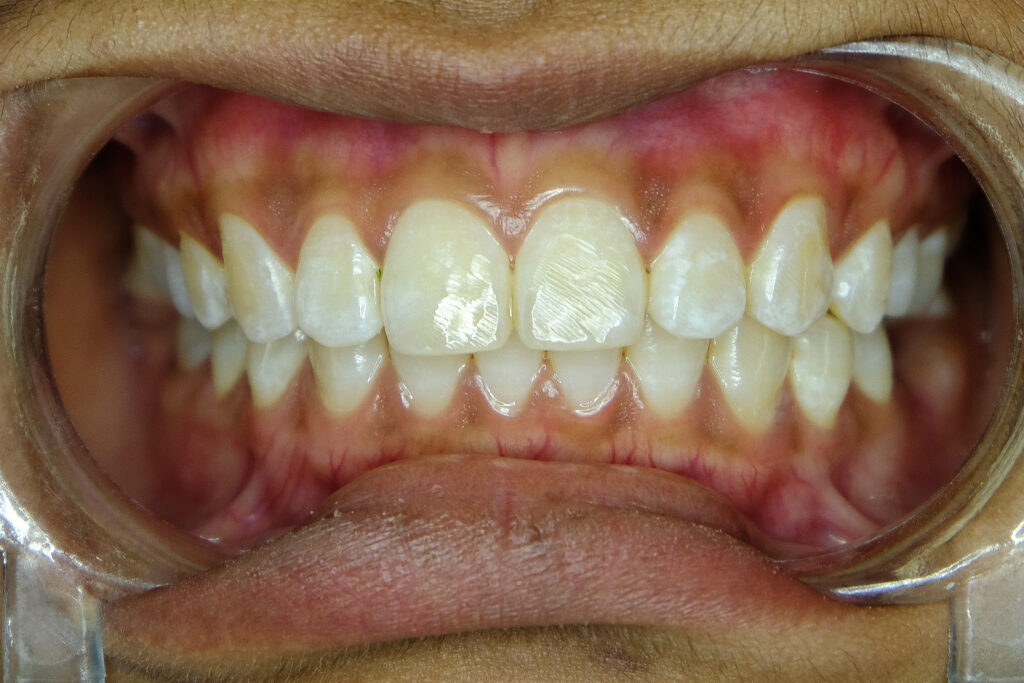
Most cases are mild and appear as faint white streaks or spots on the teeth. More noticeable cases may include brown discoloration or changes in the surface texture of the enamel.
At Total Dentistry, Dr. Christopher Omeltschenko evaluates the appearance and health of your teeth to determine whether fluorosis is present and discusses treatment options when cosmetic concerns exist.
What Causes Fluorosis?
Fluorosis develops only while permanent teeth are forming during childhood.
Possible sources of excess fluoride include:
- Swallowing fluoride toothpaste as a young child
- Naturally high fluoride levels in drinking water
- Fluoride supplements when not medically indicated
- Multiple fluoride sources during tooth development
Once the teeth have fully developed, fluorosis cannot develop later in life.
Signs and Symptoms
Fluorosis may appear as:
- White streaks or lines on the teeth
- White spots
- Chalky-looking enamel
- Brown staining in more advanced cases
- Small pits or surface irregularities in severe cases
Most people with fluorosis experience no pain or sensitivity.
How Is Fluorosis Diagnosed?
During your examination, Dr. Omeltschenko evaluates:
- The pattern of discoloration
- The appearance of the enamel
- Whether one or multiple teeth are affected
- Other possible causes of discoloration
- Overall tooth health
Fluorosis is often diagnosed based on its characteristic appearance and the history of tooth development.
Does Fluorosis Affect Tooth Health?
In most cases, fluorosis is primarily a cosmetic concern.
Mild fluorosis does not usually weaken the teeth or increase the risk of cavities.
More severe cases may involve changes in enamel development that can affect appearance, but these forms are relatively uncommon.
Possible Treatment Options
Treatment depends on the severity of the fluorosis and your cosmetic goals.
Possible treatment options include:
- Professional Teeth Whitening – Whitening may improve the overall appearance of some cases of fluorosis, although it does not remove the white areas themselves.
- Tooth-Colored Bonding – Composite bonding may improve the appearance of localized discoloration or surface defects.
- Porcelain Veneers – Veneers may provide the most predictable cosmetic result for moderate to severe fluorosis affecting the front teeth.
- Dental Crowns – In rare cases where both appearance and tooth structure are significantly affected, crowns may be recommended.
We’ll discuss the advantages and limitations of each treatment option so you can choose the approach that best fits your goals.
Looking Beyond the White Spots
Not every white spot on a tooth is fluorosis.
White discoloration may also result from enamel hypoplasia, early tooth decay, previous orthodontic treatment, or other developmental conditions.
That’s why an accurate diagnosis is an important first step before recommending cosmetic treatment.
Frequently Asked Questions
Continue Exploring
━━━━━
What Causes White Spots on Teeth? →
Learn the most common causes of white spots on teeth and the treatment options available.
Fluorosis vs. Enamel Hypoplasia →
Understand the differences between fluorosis and enamel hypoplasia and how each affects tooth enamel.
Can Fluorosis Be Treated? →
Explore the cosmetic treatment options available to improve the appearance of teeth affected by fluorosis.
Will Teeth Whitening Remove White Spots? →
Find out when teeth whitening may improve white spots and when other treatments may provide better results.
Cosmetic Options for Tooth Discoloration →
Compare cosmetic treatments that can improve the color and appearance of stained or discolored teeth.
Ready to Get Started?
━━
If you’re concerned about white spots, discoloration, or changes in the appearance of your teeth, schedule an examination with Dr. Christopher Omeltschenko.
He’ll determine whether fluorosis or another condition is responsible, explain your treatment options, and recommend the most conservative approach to help you achieve a healthy, natural-looking smile.