
Enamel Hypoplasia in Cincinnati, OH
━━
Enamel hypoplasia leaves teeth with thinner or weaker enamel than normal. Early diagnosis helps protect vulnerable teeth and maintain long-term oral health.
What Is Enamel Hypoplasia?
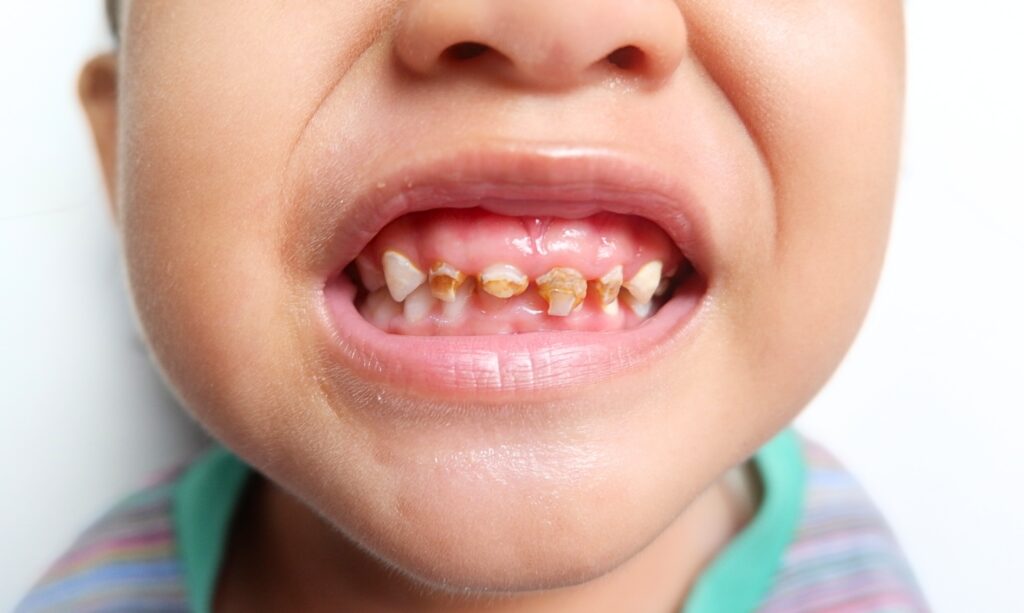
Enamel hypoplasia is a developmental condition in which the enamel—the hard outer layer of the tooth—does not form completely during tooth development. As a result, the enamel may be thinner than normal or have pits, grooves, rough areas, or discoloration.
Unlike cavities, enamel hypoplasia is not caused by bacteria or poor oral hygiene. The condition develops while the tooth is forming, before it erupts into the mouth.
At Total Dentistry, Dr. Christopher Omeltschenko evaluates the appearance and health of your teeth to determine whether enamel hypoplasia is present and recommends treatment based on both the health of the tooth and your cosmetic goals.
What Causes Enamel Hypoplasia?
Enamel hypoplasia develops while teeth are forming during childhood.
Possible causes include:
- Illness or high fever during tooth development
- Premature birth
- Nutritional deficiencies
- Certain medications
- Trauma to developing teeth
- Genetic conditions
- Unknown developmental factors
Sometimes only one tooth is affected, while in other cases multiple teeth develop enamel defects.
Signs and Symptoms
Enamel hypoplasia may appear as:
- White, yellow, or brown spots
- Thin enamel
- Small pits or grooves
- Rough tooth surfaces
- Teeth that appear misshapen
- Increased tooth sensitivity
- Teeth that chip or wear more easily
The appearance varies depending on the severity of the condition.
How Is Enamel Hypoplasia Diagnosed?
During your examination, Dr. Omeltschenko evaluates:
- The appearance of the enamel
- The location and pattern of the defects
- Tooth sensitivity
- Digital X-rays
- Overall tooth health
- Other possible causes of discoloration or enamel defects
A careful examination helps distinguish enamel hypoplasia from fluorosis, early tooth decay, or other conditions that may appear similar.
Can Enamel Hypoplasia Cause Dental Problems?
Yes.
Because the enamel may be thinner or weaker than normal, affected teeth may be more likely to experience:
- Tooth sensitivity
- Tooth decay
- Chipping
- Excessive wear
- Cosmetic concerns
The severity varies considerably from one patient to another.
Possible Treatment Options
Treatment depends on the severity of the enamel defect and the symptoms it causes.
Possible treatment options include:
- Monitoring – Mild cases may require only routine examinations and preventive care.
- Fluoride and Preventive Care – Fluoride treatments and excellent oral hygiene may help strengthen the remaining enamel and reduce the risk of cavities.
- Tooth-Colored Bonding – Composite bonding may improve the appearance of localized defects while protecting exposed areas of the tooth.
- Same-Day Crowns – Teeth with significant enamel loss or structural weakness may benefit from crowns to restore strength, function, and appearance.
- Porcelain Veneers – For some front teeth affected primarily by cosmetic concerns, veneers may provide an attractive, natural-looking result.
Treatment recommendations are individualized based on your oral health and goals.
Looking Beyond the Enamel
Not every white or discolored area on a tooth is caused by enamel hypoplasia.
Similar changes may occur with fluorosis, early enamel demineralization, previous dental trauma, or other developmental conditions.
At Total Dentistry, we believe an accurate diagnosis is the first step toward choosing the most appropriate treatment.
Related Conditions
Enamel hypoplasia may be associated with:
Frequently Asked Questions
Continue Exploring
━━━━━
Enamel Hypoplasia vs. Fluorosis →
Learn the differences between enamel hypoplasia and fluorosis and how each can affect your smile.
What Causes White Spots on Teeth? →
Discover the most common causes of white spots on teeth and the treatment options available.
Can Weak Enamel Be Repaired? →
Find out what treatments can strengthen, protect, or restore teeth affected by weak enamel.
Why Are My Teeth So Sensitive? →
Explore the common causes of tooth sensitivity and when it may indicate weakened enamel.
Cosmetic Options for Enamel Defects →
Learn how bonding, veneers, and other cosmetic treatments can improve the appearance of enamel defects.
Ready to Get Started?
━━
If you’ve noticed white spots, discoloration, rough enamel, or teeth that seem unusually sensitive or prone to chipping, schedule an examination with Dr. Christopher Omeltschenko.
He’ll determine whether enamel hypoplasia or another condition is affecting your teeth, explain your treatment options, and recommend the most conservative approach to help protect your teeth and improve your smile.