
Stained Teeth in Cincinnati, OH
━━
Tooth discoloration can occur for many different reasons. Understanding the cause helps determine which cosmetic treatment will provide the best results.
Why Are My Teeth Stained?
It’s natural for teeth to change color over time. Everyday foods, beverages, aging, tobacco use, and certain medications can all affect the appearance of your smile.
Some stains are located on the surface of the teeth and respond well to professional whitening, while others develop within the tooth itself and may require different treatment.
At Total Dentistry, Dr. Christopher Omeltschenko helps patients determine the cause of tooth discoloration and recommends the most conservative treatment to achieve a healthier, brighter smile.
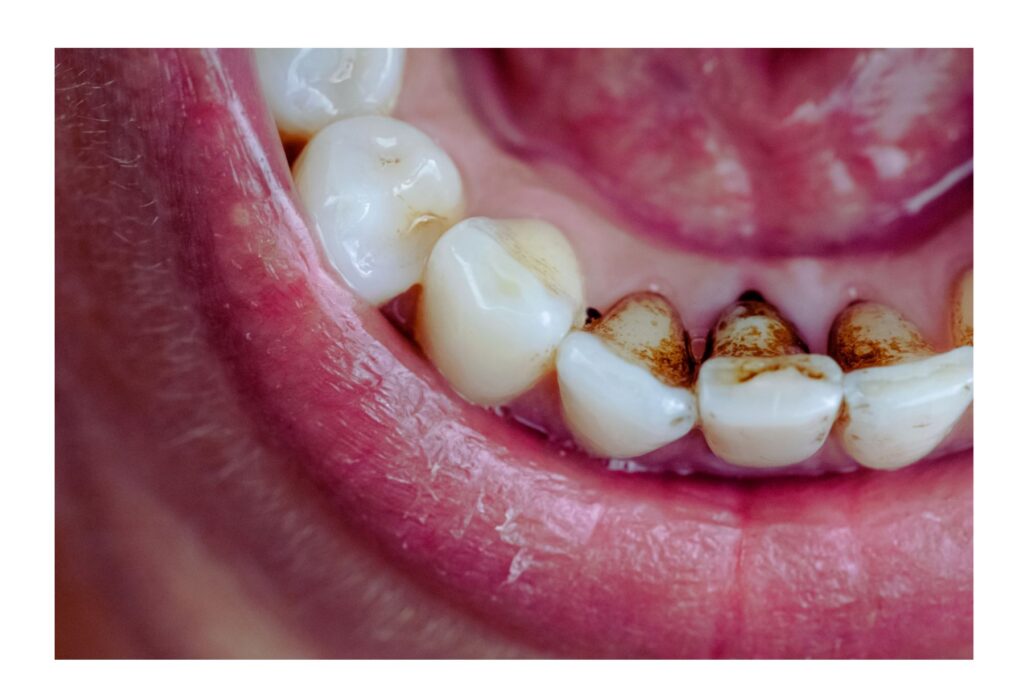
What Causes Stained Teeth?
Tooth discoloration can develop for many reasons, including:
- Coffee and tea
- Red wine
- Tobacco use
- Dark-colored foods and beverages
- Natural aging
- Certain medications
- Previous dental trauma
- Excess fluoride during tooth development
- Worn enamel that exposes the darker dentin underneath
Understanding the cause of the discoloration helps determine which treatment is most likely to produce the best results.
Types of Tooth Stains
Not all stains are the same.
Extrinsic Stains
These stains develop on the outer surface of the tooth and are commonly caused by foods, beverages, or tobacco. They often respond well to professional cleanings and teeth whitening.
Intrinsic Stains
These stains occur within the tooth itself. They may result from trauma, certain medications, tooth development, or aging. Depending on the cause, whitening may be less effective, and other cosmetic treatments may be recommended.
Signs and Symptoms
Stained teeth may appear:
- Yellow
- Brown
- Gray
- White or chalky in certain areas
- Darkened after an injury
- Less vibrant than they once were
Discoloration may affect one tooth or several teeth.
How Is Tooth Discoloration Evaluated?
During your examination, Dr. Omeltschenko evaluates:
- The color and pattern of the discoloration
- Whether the stain is external or internal
- Existing fillings, crowns, or veneers
- Overall tooth health
- Gum health
- Your cosmetic goals
This evaluation helps determine whether whitening is likely to be effective or whether another treatment would provide a better result.
Can Stained Teeth Be Treated?
In many cases, yes.
The best treatment depends on the cause of the discoloration.
Possible treatment options include:
- Professional Teeth Whitening – Custom take-home whitening trays safely brighten many types of surface and age-related stains.
- Professional Dental Cleaning – Some surface stains can be removed during a routine dental cleaning.
- Tooth-Colored Bonding – Composite bonding may improve the appearance of teeth with localized discoloration or small cosmetic imperfections.
- Porcelain Veneers – Veneers may be recommended for teeth with severe discoloration that cannot be predictably improved with whitening.
- Dental Crowns – Teeth that are both heavily restored and discolored may benefit from crowns that improve both appearance and strength.
Our goal is always to recommend the most conservative treatment capable of achieving your desired result.
Looking Beyond a Whiter Smile
A brighter smile is about more than appearance.
Before recommending cosmetic treatment, Dr. Omeltschenko evaluates the health of your teeth and gums to ensure your smile is healthy as well as attractive.
By identifying the cause of discoloration, we can recommend treatment that provides natural-looking, long-lasting results.
Frequently Asked Questions
Continue Exploring
━━━━━
Why Are My Teeth Yellow? →
Learn the most common causes of tooth discoloration and what treatments can help brighten your smile.
Professional Whitening vs. Store-Bought Products →
Compare professional teeth whitening with over-the-counter products to see which option is right for you.
Is Teeth Whitening Safe? →
Find out whether teeth whitening is safe, what causes sensitivity, and how to whiten your teeth safely.
What If Whitening Doesn’t Work? →
Learn why whitening may not work for every type of stain and what cosmetic alternatives are available.
How to Keep Your Teeth White After Whitening →
Discover simple habits that can help your whitening results last longer.
Ready to Get Started?
━━
If you’re unhappy with the color of your teeth, the first step is determining why they have become discolored.
Schedule an examination with Dr. Christopher Omeltschenko. He’ll evaluate the cause of the discoloration, discuss your cosmetic goals, and recommend the most conservative treatment to help you achieve a brighter, healthier-looking smile.