
Same-Day Dental Crowns in Cincinnati, OH
━━
Restore Strength, Function, and Confidence with CEREC Same-Day Crowns
━━
A dental crown is one of the most reliable ways to protect and restore a damaged tooth.
Whether a tooth is cracked, weakened by a large filling, worn from years of use, or requires protection after root canal treatment, a crown can restore strength, function, and appearance while helping preserve your natural tooth.
At Total Dentistry, Dr. Omeltschenko provides custom dental crowns – including same-day CEREC crowns – designed to look natural, feel comfortable, and support long-term oral health.
What Is a Dental Crown?
━━
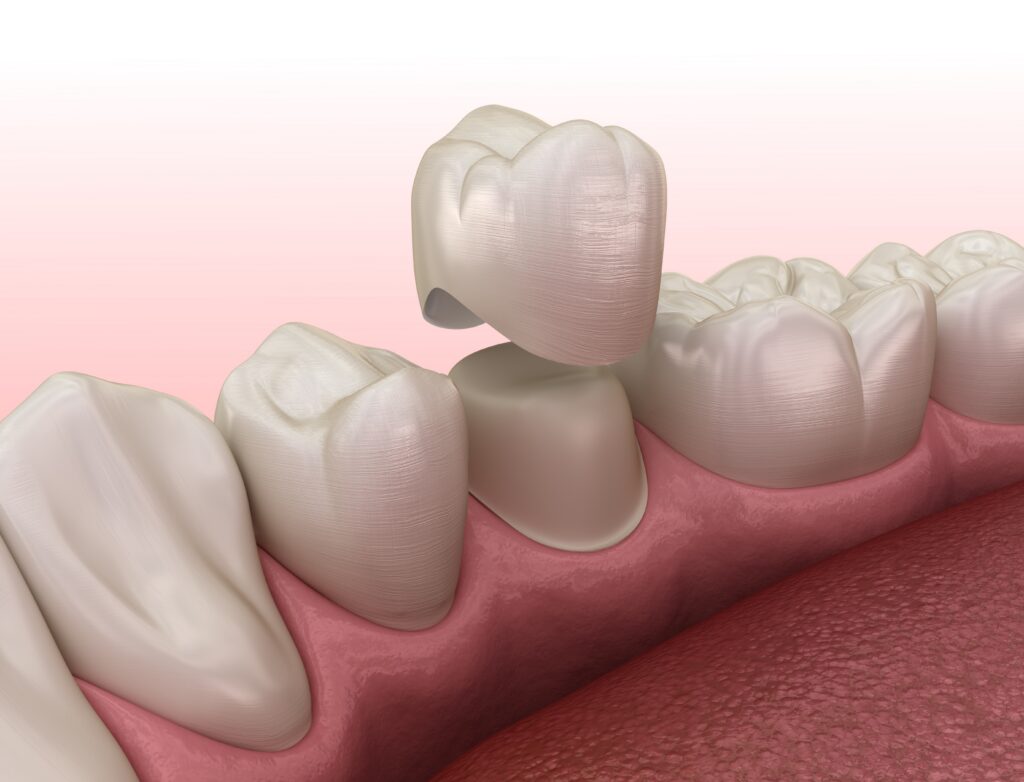
A dental crown is a custom-made restoration that covers the visible portion of a tooth above the gumline.
Crowns are commonly used to:
- Protect weakened or cracked teeth
- Restore broken, worn, or damaged teeth
- Strengthen teeth with large fillings
- Protect teeth after root canal treatment
- Improve the shape, size, or appearance of a tooth
- Restore comfortable chewing and proper bite function
Think of a crown as a protective helmet for your tooth. It helps reinforce and preserve the remaining healthy tooth structure while restoring normal function.
Why We Recommend Crowns
━━
At Total Dentistry, our goal is always to preserve natural teeth whenever possible.
Sometimes a filling is sufficient. In other situations, a tooth has lost enough structure that a filling alone may not provide adequate long-term support.
When this occurs, a crown can help protect the tooth from future fracture while restoring strength and function.
Our recommendations are based on what will best support the long-term health of your tooth, not simply what can be done today.
Common Reasons a Crown May Be Needed
━━
Large Decay or Existing Fillings
When a tooth contains a large cavity or an existing filling occupies a significant portion of the tooth, the remaining structure may be vulnerable to fracture.
Crowns help redistribute biting forces and provide support that a filling alone cannot.
Cracked Teeth
Small cracks can cause pain when chewing, temperature sensitivity, or discomfort that comes and goes.
A crown can help stabilize the tooth and reduce the risk of further damage.
Worn or Flattened Teeth
Grinding and clenching can gradually wear teeth down over time.
Crowns may be used to restore proper tooth shape, improve function, and protect remaining tooth structure.
After Root Canal Treatment
Teeth that have undergone root canal therapy are often more susceptible to fracture because they have lost internal tooth structure.
A crown helps protect the tooth and restore full chewing strength.
Same-Day CEREC Crowns
━━
One of the advantages of choosing Total Dentistry is access to CEREC same-day crown technology.
Rather than requiring impressions, temporary crowns, and multiple appointments, many crowns can be completed in a single visit.
With CEREC technology:
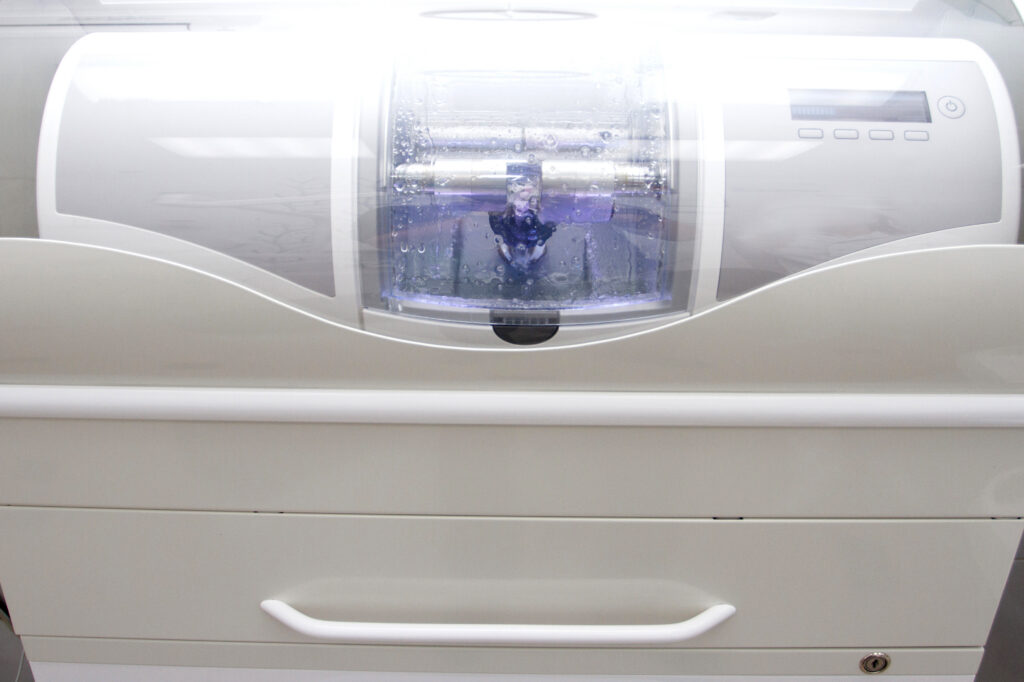
- Digital scans replace traditional impressions
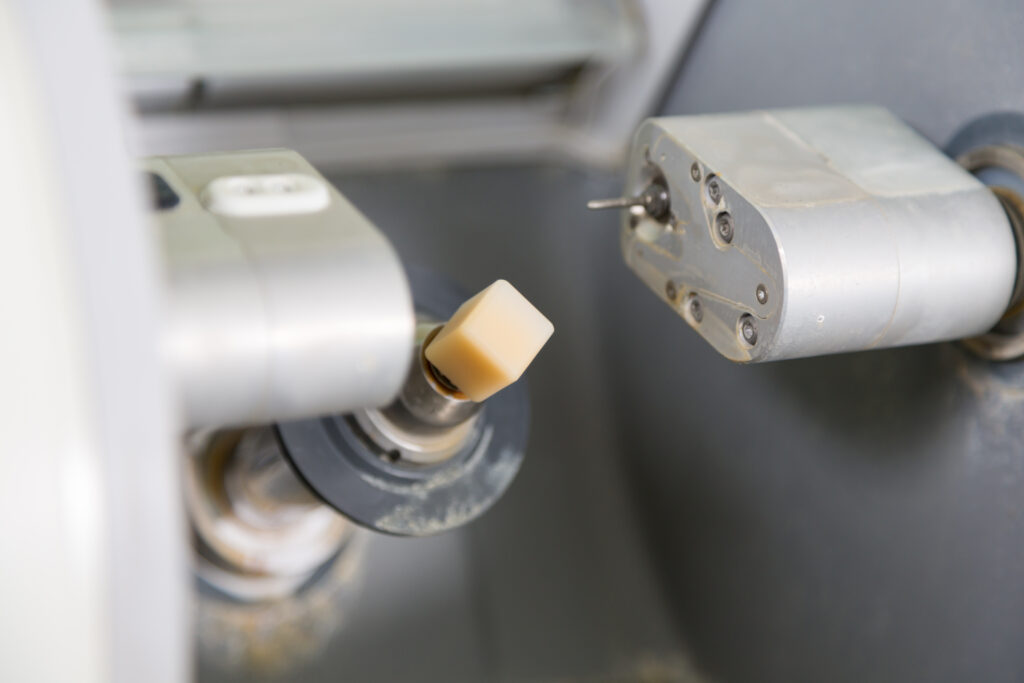
- Crowns are designed digitally in our office
- Crowns are milled from high-quality ceramic materials
- Most crowns can be placed the same day
Benefits include:
- One appointment instead of two
- No temporary crown
- No messy impressions
- Natural-looking ceramic materials
- Less time away from work and family
For many patients, same-day treatment offers both convenience and exceptional results.
Are Same-Day Crowns Right for Everyone?
━━
Not always.
While many crowns can be completed with CEREC technology, some situations may benefit from a traditional laboratory-fabricated crown.
Factors such as tooth location, bite forces, cosmetic considerations, and overall treatment goals help determine the best option.
During your examination, Dr. Omeltschenko will discuss which approach is most appropriate for your situation.
Comfort During Treatment
━━
Dental crowns are placed using local anesthesia, and most patients find the procedure comfortable and straightforward.
Our team works hard to make treatment efficient, predictable, and stress-free. Mild sensitivity after treatment is normal and typically resolves within a few days.
How Long Do Dental Crowns Last?
━━
With proper care, dental crowns can often last many years.
Factors that help maximize longevity include:
- Brushing and flossing daily
- Regular dental cleanings and examinations
- Avoiding chewing hard objects such as ice
- Wearing a nightguard if you grind or clench your teeth
- Maintaining healthy gums and bite function
A crown protects the visible portion of a tooth, but long-term success still depends on the health of the surrounding gums, supporting bone, and bite.
Cost and Payment Options
━━━━━
We understand that restoring your tooth with a dental crown is an investment in your long-term oral health.
Before treatment begins, we’ll review anticipated costs, insurance benefits, financing options, and answer any questions you may have.




Learn More About Dental Crowns
━━━━━
Signs You May Need a Crown →
Learn the common signs that a tooth may need the added strength and protection of a dental crown.
Filling vs. Crown: Which Treatment Is Needed? →
Understand how dentists determine whether a tooth can be restored with a filling or requires a dental crown.
Do I Need a Crown After a Root Canal? →
Learn why many teeth benefit from a dental crown after root canal treatment to restore strength and function.
How Long Do Dental Crowns Last? →
Discover what affects the lifespan of a dental crown and how proper care can help it last for many years.
Can a Crown Prevent Tooth Extraction? →
See how a dental crown can strengthen a damaged tooth and, in many cases, help prevent the need for extraction.
Can You Get a Cavity Under a Crown? →
Learn how decay can develop around a dental crown and what you can do to protect your restored tooth.
What Happens If a Crown Falls Off? →
Discover what to do if your dental crown comes off and why it’s important to contact your dentist promptly.
How to Care for a Dental Crown →
Learn simple daily care tips to help keep your dental crown and the tooth beneath it healthy.
Why Do Dental Restorations Fail? →
Explore the most common reasons dental restorations fail and how regular care can help extend their lifespan.
Why Do Old Fillings Fail? →
Learn why fillings wear out over time and when replacing them with a new filling or crown may be recommended.
Why Teeth Crack →
Discover the common causes of cracked teeth and how early treatment can help prevent more extensive damage.
Why Teeth Break Without Warning →
Learn why teeth sometimes fracture unexpectedly and what can be done to restore them before the damage worsens.
Frequently Asked Questions About Dental Crowns
Ready to Get Started?
━━
Schedule an examination with Dr. Omeltschenko to discuss your concerns, evaluate your oral health, and review your treatment options.