Implant Bridges in Cincinnati, OH
━━
Replace Multiple Missing Teeth Without Compromising Healthy Neighboring Teeth
━━
When several teeth are missing in a row, chewing can become more difficult, neighboring teeth may begin to shift, and long-term oral health can suffer.
An implant-supported bridge is one option for replacing multiple missing teeth while preserving healthy adjacent teeth and restoring function, appearance, and confidence.
At Total Dentistry, Dr. Christopher Omeltschenko helps patients understand all available tooth replacement options so they can make informed decisions based on their oral health goals, lifestyle, and budget.
What Is an Implant-Supported Bridge?
━━
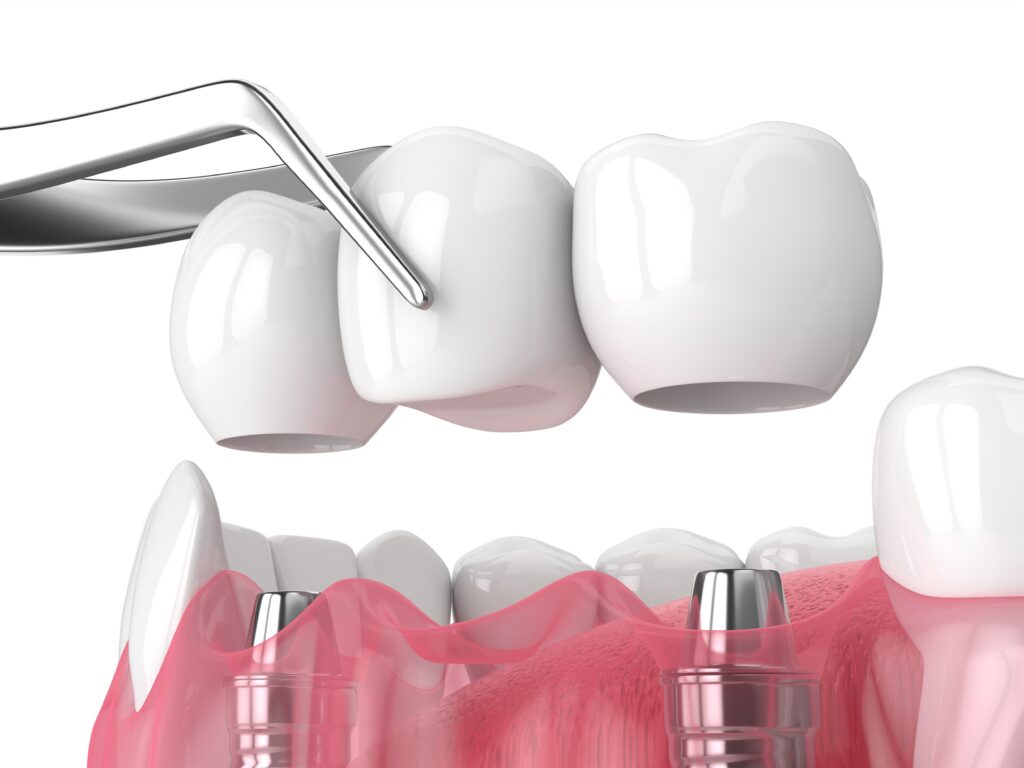
An implant-supported bridge replaces multiple missing teeth using dental implants for support.
Unlike a traditional bridge, which relies on neighboring teeth for support, an implant-supported bridge is attached to dental implants placed directly into the jawbone.
This allows us to replace several missing teeth while often avoiding the need to prepare healthy adjacent teeth.
When Is an Implant-Supported Bridge Recommended?
━━
An implant-supported bridge may be recommended when:
- Two or more teeth are missing next to one another
- Existing neighboring teeth are healthy
- You want a fixed (non-removable) replacement option
- Bone support is adequate for implant placement
- You wish to avoid a removable partial denture
Every situation is different, and the best option depends on your oral health, anatomy, and long-term goals.
Why Replace Multiple Missing Teeth?
━━
When several teeth are missing, the effects can extend beyond appearance.
Potential consequences include:
- Difficulty chewing
- Increased stress on remaining teeth
- Shifting of neighboring teeth
- Bite changes
- Bone loss
- Additional tooth loss over time
Replacing missing teeth often helps preserve the stability and function of your entire smile.
Implant Bridge vs. Traditional Bridge
Both treatment options can successfully replace missing teeth.
The difference lies in how they are supported.
Traditional Bridge
A traditional bridge typically requires crowns on the neighboring teeth to support the replacement teeth.
Advantages may include:
- No implant surgery
- Shorter treatment timeline in some situations
Limitations may include:
- Healthy neighboring teeth may need to be reduced
- Does not help preserve bone in the missing tooth area
- Additional stress placed on supporting teeth
Implant-Supported Bridge
An implant-supported bridge is supported by dental implants rather than neighboring teeth.
Advantages may include:
- Preservation of healthy adjacent teeth
- Bone preservation in the missing tooth area
- Excellent stability
- Natural appearance
- Strong chewing function
- Long-term durability
During your examination, we will discuss the advantages and limitations of each option and help determine which solution is most appropriate for your situation.
How the Implant Bridge Process Works
━━
Comprehensive Examination
Treatment begins with a thorough evaluation of:
- Gum health
- Existing teeth
- Bone levels
- Bite function
- X-rays and photographs
We then review all available replacement options and discuss expected outcomes.
Implant Placement
Dental implants are carefully placed into the jawbone to support the future bridge.
The number of implants depends on the number and location of missing teeth.
Healing Phase
Over several months, the implants integrate with the surrounding bone through a process called osseointegration.
This creates a stable foundation for the final restoration.
Final Bridge Placement
Once healing is complete, a custom bridge is attached to the implants.
The bridge is designed to restore:
- Appearance
- Function
- Comfort
- Bite stability
while blending naturally with your surrounding teeth.
Is Implant Treatment Painful?
━━
Many patients are surprised by how comfortable implant treatment can be.
Treatment is completed using local anesthesia, and most patients report that recovery is easier than they expected.
Our team focuses on making treatment as comfortable, predictable, and stress-free as possible.
How Long Does an Implant-Supported Bridge Last?
━━
Implant-supported bridges are designed to be a long-term solution.
With proper care, they can often function for many years and may last for decades.
Long-term success depends on:
- Good oral hygiene
- Healthy gums
- Regular professional maintenance
- Avoiding tobacco use
- Managing grinding or clenching habits
How Much Does an Implant-Supported Bridge Cost?
━━
The cost of treatment varies depending on:
- The number of missing teeth
- The number of implants needed
- Bone grafting requirements
- The complexity of treatment
We believe patients should understand costs before making treatment decisions.
During your examination, we provide a detailed treatment plan outlining all fees and available options.
Cost and Payment Options
━━━━━
We understand that replacing missing teeth with an implant bridge is an investment in your long-term oral health.
Before treatment begins, we’ll review anticipated costs, insurance benefits, financing options, and answer any questions you may have.




Learn More About Implant Bridges
━━━━━
Understanding Implant-Supported Bridges →
Learn how implant-supported bridges replace multiple missing teeth without relying on adjacent healthy teeth.
Bridge vs. Implant: Which Option Is Right for You? →
Compare traditional dental bridges and dental implants to determine the best solution for your smile.
How Dental Implants Improve Appearance and Function →
Discover how dental implants restore your smile, improve chewing ability, and support long-term oral health.
Dental Implant Maintenance: What You Need to Know →
Discover simple daily care and regular dental visits that help keep your dental implants healthy and functioning properly.
Why Bone Loss Occurs After Tooth Loss and How Dental Implants Help Preserve Bone →
Learn why jawbone loss occurs after losing a tooth and how dental implants help maintain bone and facial support.
Frequently Asked Questions
Ready to Get Started?
━━
Schedule an examination with Dr. Omeltschenko to discuss your concerns, evaluate your oral health, and review your treatment options.