Malocclusion (Bite Misalignment) in Cincinnati, OH
━━
When teeth don’t fit together properly, it can affect both appearance and function. Evaluating your bite helps determine the best way to improve long-term oral health.
What Is Malocclusion?
Malocclusion simply means that your teeth or jaws do not fit together ideally when you bite. It is commonly referred to as a “bad bite” or bite misalignment.
Some people are born with malocclusion, while others develop it over time because of tooth wear, missing teeth, tooth movement, or changes in the jaw.
Not every malocclusion requires treatment. However, certain bite problems may make it more difficult to chew, clean your teeth, or maintain long-term oral health.
At Total Dentistry, Dr. Christopher Omeltschenko evaluates how your teeth fit together as part of every comprehensive examination to determine whether bite alignment may be contributing to your dental concerns.
What Causes Malocclusion?
Malocclusion can develop for many reasons, including:
- Genetics
- Crowded teeth
- Missing teeth
- Thumb sucking during childhood
- Jaw growth differences
- Tooth wear
- Teeth shifting over time
- Previous dental treatment
- Trauma
In many cases, more than one factor contributes to bite misalignment.
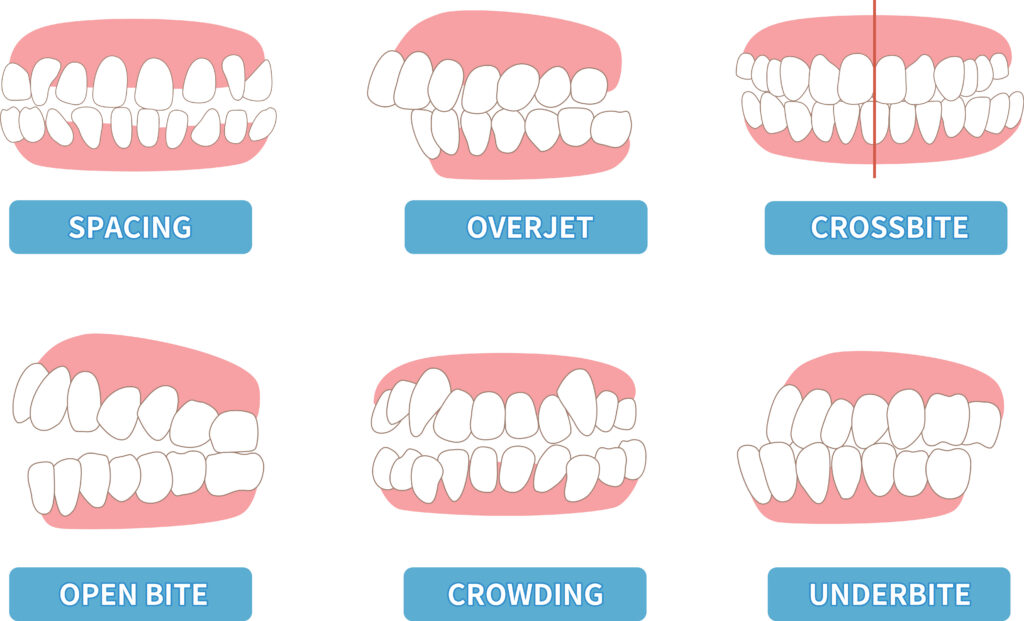
Types of Malocclusion
Common bite problems include:
- Crowded teeth
- Spaced teeth
- Deep bite (overbite)
- Underbite
- Crossbite
- Open bite
- Teeth that don’t meet evenly
Each type of malocclusion affects the bite differently, and not every patient experiences symptoms.
Signs and Symptoms
Some patients with malocclusion have no symptoms at all.
Others may experience:
- Difficulty chewing
- Teeth that don’t seem to fit together
- Crowded or overlapping teeth
- Increased tooth wear
- Food becoming trapped between teeth
- Difficulty cleaning certain teeth
- Frequent broken dental work
- Jaw discomfort in some cases
How Is Malocclusion Diagnosed?
During your examination, Dr. Omeltschenko evaluates both the appearance and function of your bite.
This may include:
- Clinical examination
- Digital X-rays
- Photographs
- Bite evaluation
- Assessment of tooth wear
- Evaluation of missing teeth
- Assessment of chewing function
This information helps determine whether your bite alignment is contributing to your oral health concerns.
Does Malocclusion Always Need Treatment?
No.
Many people have minor bite irregularities that never cause significant problems.
Treatment is generally recommended when malocclusion contributes to:
- Difficulty cleaning the teeth
- Excessive tooth wear
- Repeated broken teeth or restorations
- Difficulty chewing
- Progressive changes in the bite
- Cosmetic concerns
Our goal is to recommend treatment only when it provides a meaningful long-term benefit.
Possible Treatment Options
Treatment depends on the type and severity of the malocclusion.
Possible treatment options include:
- Orthodontic Treatment – Braces or clear aligners may improve tooth alignment and bite relationships.
- Replacing Missing Teeth – Restoring missing teeth may improve bite stability and chewing function.
- Restorative Dentistry – Crowns or other restorations may help rebuild worn or damaged teeth and improve how the teeth come together.
- Comprehensive Bite Evaluation – If excessive bite forces are also present, additional evaluation may be recommended to determine whether bite function is contributing to ongoing dental problems.
Every treatment plan is customized to your specific needs.
Malocclusion vs. Occlusal Dysfunction
Although these terms are sometimes confused, they describe different conditions.
Malocclusion refers to the position and alignment of the teeth.
Occlusal dysfunction refers to how the teeth function together during biting and chewing.
Some patients have one without the other, while others have both.
Understanding the difference helps us develop the most appropriate treatment plan for your long-term oral health.
Looking Beyond Straight Teeth
Straight teeth are certainly desirable, but a healthy smile involves more than appearance alone.
At Total Dentistry, we evaluate the health of your gums, teeth, and bite because our goal is to create a smile that not only looks good, but also functions comfortably and remains healthy for years to come.
Frequently Asked Questions
Continue Exploring
━━━━━
What Is an Overbite? →
Learn what an overbite is, how it develops, and when treatment may be recommended.
Can Crooked Teeth Affect Your Oral Health? →
Discover how crooked teeth can affect your oral health, bite, and long-term dental health.
Malocclusion vs. Occlusal Dysfunction →
Understand the difference between malocclusion and occlusal dysfunction and why it matters for your oral health.
Can Missing Teeth Change Your Bite? →
Learn how missing teeth can cause your bite to shift and contribute to future dental problems.
How Bite Problems Affect Your Oral Health →
Explore how bite problems can contribute to tooth wear, fractures, jaw discomfort, and other dental concerns.
Ready to Get Started?
━━
Not every bite irregularity requires treatment, but understanding how your teeth fit together is an important part of maintaining long-term oral health.
If you’re concerned about the alignment of your teeth or changes in your bite, schedule an examination with Dr. Christopher Omeltschenko. He’ll evaluate the health of your gums, teeth, and bite, explain whether your bite alignment is affecting your oral health, and recommend treatment options tailored to your individual needs.